 ❤️ Health Guides
Heart Health: A Complete Guide to Lifelong Cardiovascular Wellness
Discover healthy lifestyle tips that support lifelong cardiovascular wellness.
How the heart works, common cardiovascular risk factors, heart-healthy habits, warning signs, and when to seek medical advice.
📝 Quick Summary
- Explore trusted heart health information and healthy lifestyle guidance.
- Learn practical habits that support lifelong cardiovascular wellness.
- Discover educational resources on heart health and preventive care.
- Read expert-informed heart wellness tips for everyday healthy living.
- Learn about heart health, nutrition, exercise, and preventive care.
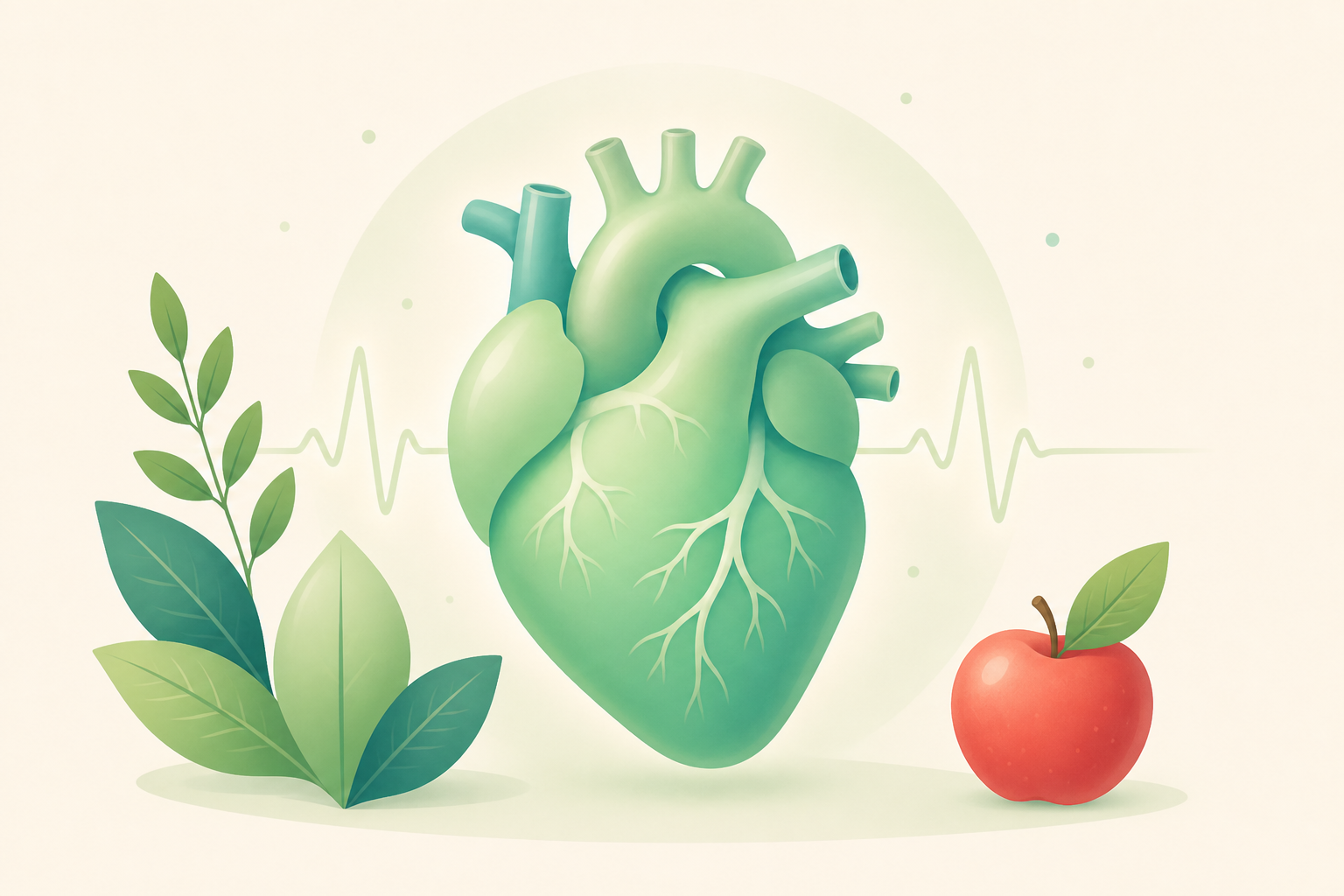
The heart is one of the most important organs in the human body. About the size of a closed fist, it works around the clock to pump blood, delivering oxygen and nutrients to every organ and tissue. Every heartbeat supports essential body functions, from brain activity and kidney function to muscle movement and overall energy levels.
Maintaining heart health is important at every stage of life. While aging and family history may influence cardiovascular health, many risk factors can be managed through healthy lifestyle choices, routine health screenings, and appropriate medical care.
Heart disease remains one of the leading causes of illness worldwide. However, adopting heart-healthy habits and understanding the warning signs of cardiovascular conditions can help support long-term wellness and encourage early medical evaluation when needed.
This guide explains how the heart works, common heart conditions, cardiovascular risk factors, and practical strategies to help maintain a healthy heart.
What Is Heart Health?
Heart health refers to the proper functioning of the heart and blood vessels that make up the cardiovascular system. A healthy heart efficiently pumps oxygen-rich blood throughout the body while supporting normal blood pressure and circulation.
Good cardiovascular health is supported by a combination of healthy daily habits, preventive healthcare, and regular monitoring of conditions such as blood pressure, cholesterol, and blood sugar.
Although not all heart conditions can be prevented, many lifestyle choices contribute to overall cardiovascular wellness and may help reduce the risk of developing certain heart diseases.
How the Heart Works
The heart contains four chambers that work together to circulate blood throughout the body:
- Right atrium
- Right ventricle
- Left atrium
- Left ventricle
With every heartbeat, blood follows a continuous cycle:
- Oxygen-poor blood returns from the body to the right side of the heart.
- The heart pumps this blood to the lungs, where it receives oxygen.
- Oxygen-rich blood returns to the left side of the heart.
- The left ventricle pumps oxygen-rich blood to the rest of the body.
This process repeats continuously, helping every organ receive the oxygen and nutrients needed for normal function.
Why Heart Health Matters
A healthy cardiovascular system supports many essential body functions, including:
- Delivering oxygen throughout the body
- Transporting nutrients to organs and tissues
- Maintaining healthy blood pressure
- Supporting brain and kidney function
- Promoting physical endurance
- Helping maintain energy levels
- Supporting healthy aging
When the heart and blood vessels function efficiently, the body is better equipped to perform everyday activities and recover from physical demands.
Common Risk Factors for Heart Disease
Some cardiovascular risk factors cannot be changed, while others can often be managed through lifestyle changes and medical care.
Common risk factors include:
- High blood pressure
- High cholesterol
- Diabetes
- Smoking
- Physical inactivity
- Excess body weight
- Unhealthy eating habits
- Chronic stress
- Poor sleep quality
- Older age
- Family history of heart disease
Having one or more risk factors does not necessarily mean someone will develop heart disease. However, understanding these factors can help guide preventive healthcare decisions.
Healthy Lifestyle Habits That Support Heart Health
Small, consistent lifestyle choices can make a meaningful contribution to cardiovascular wellness.
Eat a Balanced Diet
A nutritious eating pattern provides the body with vitamins, minerals, fiber, and healthy fats that support overall health.
Heart-friendly foods often include:
- Fresh vegetables
- Fruits
- Whole grains
- Beans and legumes
- Nuts and seeds
- Fish rich in omega-3 fatty acids
- Lean poultry
- Low-fat dairy products
- Healthy plant oils such as olive oil
Limiting foods high in saturated fat, trans fat, added sugars, and excess sodium may also support overall cardiovascular health.
Stay Physically Active
Regular physical activity supports healthy circulation, cardiovascular fitness, and overall well-being.
Many adults benefit from activities such as:
- Walking
- Swimming
- Cycling
- Light jogging
- Strength training
- Stretching exercises
Before beginning a new exercise program, individuals with existing medical conditions should seek guidance from a qualified healthcare professional.
Maintain a Healthy Body Weight
Maintaining a healthy weight helps reduce strain on the heart and supports healthy blood pressure, cholesterol levels, and blood sugar management.
Rather than focusing on short-term diets, sustainable eating habits and regular physical activity are generally recommended for long-term health.
Avoid Tobacco Products
Smoking damages blood vessels and is a significant risk factor for cardiovascular disease.
Stopping tobacco use can benefit heart health, circulation, and overall wellness at any stage of life.
Prioritize Quality Sleep
Sleep plays an important role in overall health.
Consistent, restorative sleep supports:
- Blood pressure regulation
- Energy levels
- Mental well-being
- Hormonal balance
- Recovery from daily activities
Developing regular sleep habits may contribute to better overall health.
Heart Disease and Common Warning Signs
Heart disease includes a range of conditions affecting the heart muscle, blood vessels, heart valves, and electrical system.
Some common cardiovascular conditions include:
- Coronary artery disease
- Heart attack
- Heart failure
- Heart rhythm disorders (arrhythmias)
- Heart valve disease
- High blood pressure
Some heart conditions develop gradually and may not produce noticeable symptoms in their early stages.
Possible warning signs that should be evaluated by a healthcare professional include:
- Chest discomfort or pressure
- Shortness of breath
- Unusual fatigue
- Heart palpitations
- Swelling in the legs or ankles
- Dizziness or fainting
- Reduced ability to perform normal physical activities
These symptoms can have many possible causes and should not be used to self-diagnose a medical condition.
Prevention and Lifelong Heart Wellness
Protecting heart health involves consistent daily habits and routine preventive care.
Helpful strategies include:
- Eating a balanced diet rich in whole foods
- Staying physically active
- Monitoring blood pressure and cholesterol
- Managing diabetes when applicable
- Avoiding tobacco
- Limiting excessive alcohol intake
- Managing stress
- Getting adequate sleep
- Attending routine medical checkups
Many cardiovascular risk factors can be identified early through regular health screenings, allowing healthcare professionals to recommend appropriate lifestyle changes or treatment when necessary.
When to Seek Medical Advice
Schedule a healthcare evaluation if you experience persistent chest discomfort, unexplained shortness of breath, frequent palpitations, dizziness, swelling of the legs, or ongoing fatigue that affects daily activities.
Seek emergency medical care immediately if you experience severe chest pain, chest pressure with shortness of breath, sudden collapse, or other symptoms that may indicate a medical emergency.
Key Takeaways
Heart health is a lifelong commitment that benefits from healthy eating, regular physical activity, quality sleep, stress management, and routine preventive care. While some cardiovascular risk factors cannot be changed, many can be managed through informed lifestyle choices and appropriate medical guidance.
By understanding how the heart works, recognizing potential warning signs, and maintaining healthy daily habits, individuals can support their overall cardiovascular wellness and quality of life.
Medical Disclaimer: This article is provided for educational purposes only and is not intended to replace professional medical advice, diagnosis, or treatment. If you have symptoms, concerns about your heart health, or questions about your risk factors, consult a qualified healthcare professional.