
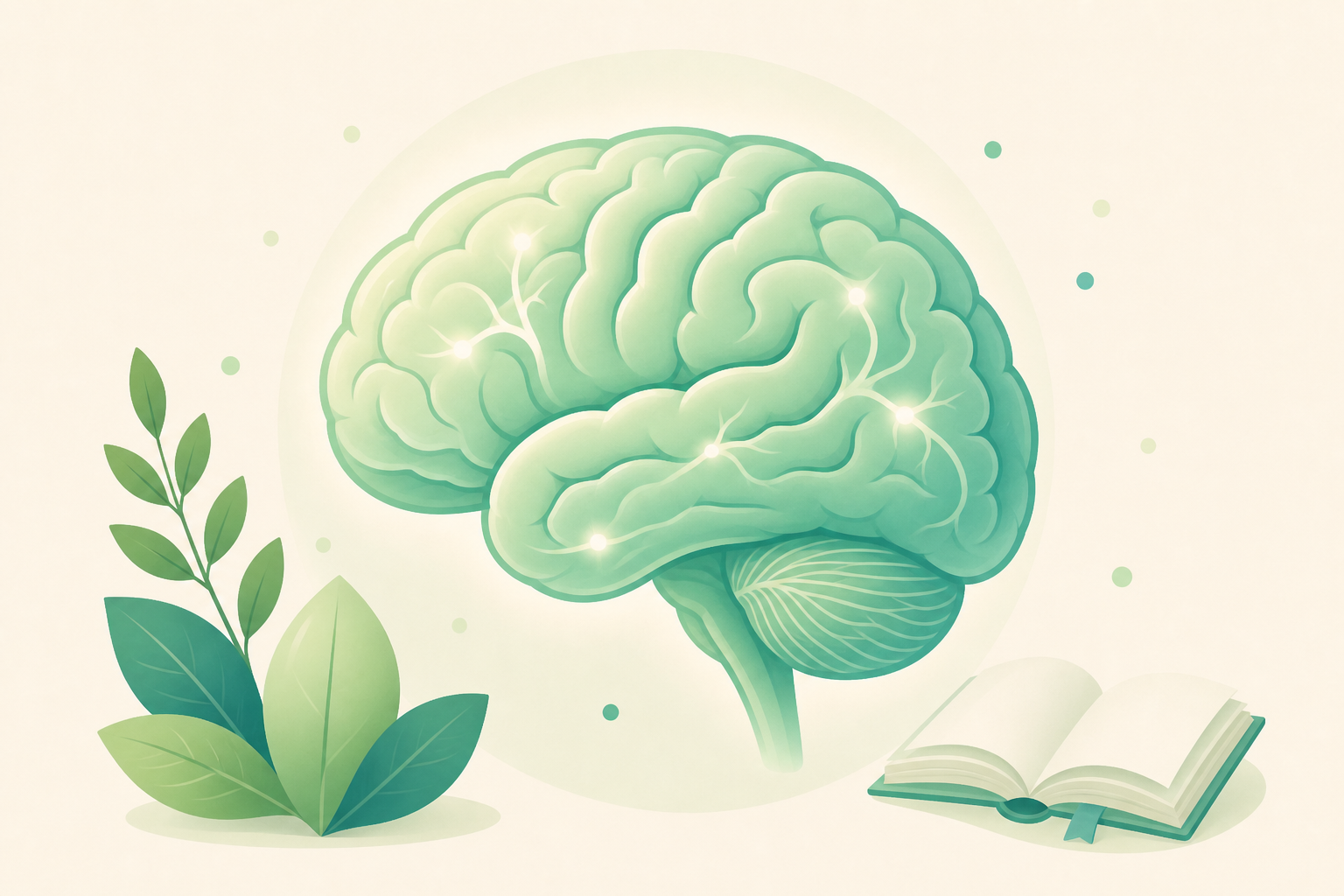
 🧠 Brain & Neurological Health
Brain & Neurological Health: The Complete Guide
Everything about brain health in one place — common neurological disorders, stroke, Alzheimer's disease, Parkinson's disease, and a brain-healthy lifestyle.
Section 1: Understanding Brain Health
A Complete Guide to Brain Function, Cognitive Health, Nervous System Wellness, Memory, Mental Performance, and Healthy Aging
Introduction
The brain is the body's control center. It coordinates movement, thoughts, emotions, memory, language, learning, decision-making, breathing, heartbeat, and countless other functions that allow us to interact with the world. Every activity—from solving a complex problem to recognizing a familiar face—depends on healthy brain function. Brain health refers to the ability of the brain to perform its many functions effectively throughout life. Good brain health supports learning, concentration, emotional well-being, communication, coordination, and independence. Like other organs, the brain changes with age, but healthy lifestyle habits and preventive healthcare may help support cognitive function over time. Many neurological conditions, including stroke, dementia, Alzheimer's disease, Parkinson's disease, epilepsy, multiple sclerosis, and traumatic brain injuries, can affect brain health. Early recognition of symptoms, timely medical evaluation, and appropriate treatment are important for maintaining quality of life. This guide explains how the brain works, why brain health matters, common neurological conditions, risk factors, preventive strategies, and when to seek medical advice.
What Is the Brain?
The brain is a complex organ composed of billions of nerve cells called neurons and supporting cells known as glial cells. It communicates with every part of the body through the nervous system, sending and receiving electrical and chemical signals that regulate physical and mental functions. Although it represents only a small percentage of total body weight, the brain requires a continuous supply of oxygen and nutrients to function properly.
Major Parts of the Brain
The brain is divided into several regions, each responsible for specialized functions. Cerebrum The cerebrum is the largest part of the brain. It is responsible for:
- Thinking
- Learning
- Memory
- Language
- Problem-solving
- Voluntary movement
- Sensory processing
The cerebrum is divided into the left and right hemispheres, which communicate through nerve fibers.
Cerebellum
The cerebellum is located beneath the cerebrum. Its primary functions include:
- Balance
- Coordination
- Fine motor control
- Posture
- Precision of movement
Damage to the cerebellum can affect coordination and stability.
Brainstem
The brainstem connects the brain to the spinal cord. It controls many automatic functions that are essential for life, including:
- Breathing
- Heart rate
- Blood pressure regulation
- Swallowing
- Consciousness
- Sleep-wake cycles
The Nervous System
The nervous system is divided into two major components. Central Nervous System (CNS) The CNS consists of:
- Brain
- Spinal cord
It processes information and coordinates responses throughout the body.
Peripheral Nervous System (PNS) The PNS includes the nerves outside the brain and spinal cord. It carries signals between the CNS and muscles, organs, skin, and other tissues.
How the Brain Works
The brain communicates using networks of neurons. Neurons send electrical impulses and chemical signals through specialized connections called synapses. These signals allow the brain to:
- Process sensory information
- Form memories
- Control movement
- Regulate emotions
- Coordinate organ function
- Support learning and decision-making
Healthy communication between neurons is essential for normal brain function.
Why Brain Health Is Important
Healthy brain function supports every stage of life. Good brain health contributes to:
- Memory
- Learning
- Concentration
- Communication
- Emotional regulation
- Decision-making
- Balance and coordination
- Independence during aging
Maintaining brain health also supports overall physical health because the brain regulates many vital body systems.
Factors That Influence Brain Health
Brain health is affected by a combination of genetic, environmental, medical, and lifestyle factors. Important influences include:
- Age
- Genetics
- Blood pressure
- Cholesterol
- Diabetes
- Sleep quality
- Physical activity
- Nutrition
- Smoking
- Alcohol use
- Stress
- Social engagement
- Education and lifelong learning
Many of these factors are modifiable and can be addressed through healthy lifestyle choices.
Common Brain and Neurological Disorders
Several conditions may affect the brain and nervous system. Examples include:
- Stroke
- Alzheimer's disease
- Dementia
- Parkinson's disease
- Epilepsy
- Multiple sclerosis
- Migraine
- Brain tumors
- Traumatic brain injury
- Meningitis
- Encephalitis
Each condition has unique causes, symptoms, and treatment approaches.
Signs That May Suggest a Brain or Nervous System Problem
Seek medical evaluation if you experience:
- Persistent headaches
- Sudden weakness
- Numbness
- Difficulty speaking
- Vision changes
- Memory problems
- Confusion
- Balance difficulties
- Seizures
- Tremors
- Persistent dizziness
- Changes in personality or behavior
These symptoms can have many causes and require professional assessment.
Protecting Brain Health
Healthy daily habits that support brain function include:
- Eat a balanced diet.
- Exercise regularly.
- Get adequate sleep.
- Avoid tobacco.
- Limit excessive alcohol intake.
- Manage blood pressure, cholesterol, and diabetes.
- Stay mentally active through reading, learning, puzzles, or new skills.
- Maintain social connections.
- Protect the head by wearing appropriate safety equipment during sports or activities.
- Attend routine medical check-ups.
These habits support both brain and overall health.
When to Seek Emergency Medical Care
Call emergency medical services immediately if someone develops:
- Sudden weakness or numbness, especially on one side of the body
- Difficulty speaking or understanding speech
- Sudden vision loss or severe vision changes
- Loss of consciousness
- A seizure lasting several minutes or repeated seizures without recovery
- Sudden severe headache unlike previous headaches
- Sudden loss of balance or coordination
These symptoms may indicate a neurological emergency such as a stroke and require immediate medical attention.
Frequently Asked Questions
Does brain function naturally change with age? Yes. Some changes in processing speed and memory may occur as part of normal aging. However, significant or rapidly worsening cognitive changes should be evaluated by a healthcare professional.
Can lifestyle influence brain health? Healthy nutrition, regular physical activity, adequate sleep, mental stimulation, and management of cardiovascular risk factors may support long-term brain health.
Is memory loss always a sign of dementia? No. Memory problems may result from many causes, including stress, sleep deprivation, medications, vitamin deficiencies, depression, or neurological conditions. A healthcare professional can help determine the cause.
Can exercise benefit the brain? Yes. Regular physical activity supports cardiovascular health, which in turn helps maintain healthy blood flow to the brain. Exercise is also associated with improvements in mood, sleep, and overall well-being.
Key Takeaways
The brain is the body's central control organ, coordinating movement, thinking, memory, emotions, and vital bodily functions. Maintaining brain health throughout life involves a combination of healthy lifestyle habits, management of medical conditions, mental stimulation, regular exercise, adequate sleep, and preventive healthcare. Recognizing warning signs of neurological disease and seeking timely medical evaluation are important for protecting cognitive function and overall quality of life. In the following sections, we'll explore common neurological disorders, stroke, dementia, Alzheimer's disease, Parkinson's disease, brain-healthy nutrition, cognitive wellness, prevention strategies, and frequently asked questions about brain health.
Section 2: Common Brain and Neurological Disorders
Understanding Neurological Conditions, Causes, Symptoms, Diagnosis, Treatment, and Prevention
Introduction
The brain and nervous system coordinate nearly every function of the human body, including movement, sensation, memory, emotions, speech, learning, and vital functions such as breathing and heart rate. When the brain or nervous system is affected by disease or injury, it can influence both physical and cognitive health. Neurological disorders include a wide range of conditions that affect the brain, spinal cord, or peripheral nerves. Some conditions develop suddenly, such as a stroke or traumatic brain injury, while others progress gradually over time, including Alzheimer's disease and Parkinson's disease. Many neurological disorders benefit from early diagnosis, timely treatment, rehabilitation, and long-term management. Although not every neurological condition can be prevented, healthy lifestyle habits and management of cardiovascular risk factors may reduce the risk of several brain disorders. This guide provides an overview of common neurological diseases, their causes, symptoms, diagnosis, treatment, and prevention.
Stroke
What Is a Stroke? A stroke occurs when blood flow to part of the brain is interrupted or when a blood vessel in the brain ruptures. Without an adequate supply of oxygen and nutrients, brain cells can become damaged within minutes. Stroke is a medical emergency that requires immediate treatment.
Common Symptoms
Symptoms often begin suddenly and may include:
- Weakness or numbness of the face, arm, or leg, especially on one side of the body
- Difficulty speaking or understanding speech
- Sudden vision loss or blurred vision
- Difficulty walking
- Loss of balance or coordination
- Sudden severe headache with no known cause
Risk Factors
- High blood pressure
- Diabetes
- High cholesterol
- Smoking
- Atrial fibrillation
- Obesity
- Physical inactivity
Alzheimer's Disease
What Is Alzheimer's Disease? Alzheimer's disease is the most common cause of dementia. It is a progressive neurological disorder that gradually affects memory, thinking, reasoning, language, and daily functioning. Symptoms generally worsen over time.
Common Symptoms
- Memory loss
- Difficulty learning new information
- Confusion
- Difficulty completing familiar tasks
- Changes in judgment
- Personality or behavioral changes
Early evaluation may help identify treatable causes of cognitive impairment and support care planning.
Dementia
Dementia is a general term describing a decline in cognitive abilities severe enough to interfere with daily life. Alzheimer's disease is one cause of dementia, but other conditions can also lead to dementia. Symptoms may include:
- Memory problems
- Difficulty communicating
- Reduced problem-solving ability
- Changes in mood or behavior
- Difficulty performing daily activities
Parkinson's Disease
What Is Parkinson's Disease? Parkinson's disease is a progressive neurological disorder that primarily affects movement. It develops due to the gradual loss of dopamine-producing nerve cells in specific regions of the brain.
Common Symptoms
- Tremor
- Muscle stiffness
- Slowed movement
- Balance difficulties
- Reduced facial expression
- Changes in handwriting
Some people also experience sleep disturbances, mood changes, or cognitive symptoms.
Epilepsy
Epilepsy is a neurological disorder characterized by recurrent, unprovoked seizures. Seizures occur because of abnormal electrical activity within the brain. Symptoms vary depending on the type of seizure. Treatment commonly involves antiseizure medications and regular neurological follow-up.
Migraine
Migraine is a neurological condition that causes recurring headaches, often accompanied by additional symptoms. Possible symptoms include:
- Moderate to severe headache
- Nausea
- Vomiting
- Sensitivity to light
- Sensitivity to sound
- Visual disturbances in some individuals
Migraine management varies depending on frequency and severity.
Multiple Sclerosis (MS) Multiple sclerosis is an autoimmune disease affecting the central nervous system. The immune system damages the protective covering (myelin) surrounding nerve fibers, disrupting communication between the brain and body. Possible symptoms include:
- Vision problems
- Weakness
- Numbness
- Balance difficulties
- Fatigue
- Muscle stiffness
Symptoms vary considerably between individuals.
Brain Tumors
Brain tumors are abnormal growths within the brain. They may be:
- Benign (non-cancerous)
- Malignant (cancerous)
Symptoms depend on the tumor's size and location and may include:
- Persistent headaches
- Seizures
- Vision changes
- Weakness
- Cognitive changes
Diagnosis typically involves imaging and specialist evaluation.
Traumatic Brain Injury (TBI) Traumatic brain injury occurs when an external force damages the brain. Common causes include:
- Falls
- Road traffic collisions
- Sports injuries
- Workplace accidents
Symptoms may range from mild concussion to severe brain injury. Prompt medical evaluation is important after significant head trauma.
Meningitis
Meningitis is inflammation of the protective membranes surrounding the brain and spinal cord. Causes include:
- Viral infections
- Bacterial infections
- Other infectious or non-infectious conditions
Possible symptoms include:
- Fever
- Severe headache
- Neck stiffness
- Confusion
- Sensitivity to light
Some forms of meningitis require urgent medical treatment.
Encephalitis
Encephalitis refers to inflammation of the brain tissue itself. Possible symptoms include:
- Fever
- Confusion
- Seizures
- Personality changes
- Weakness
- Difficulty speaking
Early diagnosis and treatment are important.
How Neurological Disorders Are Diagnosed
Healthcare professionals may use a combination of:
- Medical history
- Neurological examination
- Blood tests
- CT scan
- MRI
- Electroencephalogram (EEG)
- Lumbar puncture when appropriate
- Cognitive assessments
- Nerve conduction studies in selected conditions
The specific tests depend on the suspected disorder.
Treatment Approaches
Treatment varies according to the underlying neurological condition. Possible approaches include:
- Medications
- Rehabilitation
- Physical therapy
- Occupational therapy
- Speech therapy
- Lifestyle modifications
- Surgery in selected cases
- Psychological support
- Long-term monitoring
Treatment plans are individualized based on diagnosis and overall health.
Supporting Brain Health
While not every neurological disorder can be prevented, healthy habits may support long-term brain health. These include:
- Maintaining healthy blood pressure
- Managing diabetes
- Controlling cholesterol
- Exercising regularly
- Eating a balanced diet
- Getting adequate sleep
- Avoiding tobacco
- Limiting excessive alcohol intake
- Staying mentally active
- Maintaining social engagement
- Wearing protective equipment to reduce head injury risk
When to Seek Immediate Medical Care
Call emergency medical services immediately if someone experiences:
- Sudden weakness or numbness
- Difficulty speaking
- Sudden vision loss
- Loss of consciousness
- Seizure lasting several minutes
- Severe head injury
- Sudden severe headache
- Confusion with rapidly worsening symptoms
Prompt treatment may improve outcomes for many neurological emergencies.
Frequently Asked Questions
Are all neurological disorders permanent? No. Some neurological conditions are temporary or reversible, while others are chronic and require long-term management.
Can neurological disorders affect memory? Yes. Certain neurological conditions, including Alzheimer's disease, stroke, traumatic brain injury, and some infections, can affect memory and thinking.
Is every headache caused by a brain disorder? No. Most headaches are not caused by serious neurological disease. However, sudden, severe, or unusual headaches should be evaluated promptly.
Can healthy lifestyle habits support brain health? Yes. Regular exercise, balanced nutrition, adequate sleep, management of cardiovascular risk factors, and lifelong learning may support cognitive health and overall brain function.
Key Takeaways
Neurological disorders encompass a diverse group of conditions affecting the brain, spinal cord, and peripheral nerves. Stroke, Alzheimer's disease, dementia, Parkinson's disease, epilepsy, migraine, multiple sclerosis, brain tumors, traumatic brain injury, meningitis, and encephalitis each have distinct causes and treatments, but many benefit from early diagnosis and appropriate medical care. Maintaining cardiovascular health, staying physically and mentally active, protecting the brain from injury, and seeking prompt medical evaluation for neurological symptoms are important strategies for supporting lifelong brain health. In the next section, we'll explore stroke in greater detail, including its types, warning signs, emergency treatment, rehabilitation, recovery, and prevention.
Section 3: Stroke
A Comprehensive Guide to Causes, Types, Symptoms, Emergency Response, Diagnosis, Treatment, Recovery, and Prevention
Introduction
A stroke is a serious medical condition that occurs when blood flow to part of the brain is interrupted or when a blood vessel in the brain ruptures. Brain cells depend on a continuous supply of oxygen and nutrients carried by the blood. When this supply is disrupted, brain tissue can become damaged within minutes. Stroke is one of the leading causes of disability worldwide and requires immediate medical attention. Early recognition of symptoms and rapid treatment can improve outcomes and reduce the risk of long-term complications. This guide explains what a stroke is, its different types, common causes and risk factors, warning signs, diagnosis, treatment options, recovery, rehabilitation, and prevention.
What Is a Stroke?
A stroke occurs when part of the brain does not receive enough blood. Without oxygen and nutrients, affected brain cells begin to malfunction and may become permanently damaged if blood flow is not restored promptly. The symptoms and long-term effects of a stroke depend on:
- The area of the brain involved
- The amount of brain tissue affected
- How quickly treatment is received
- The individual's overall health
Types of Stroke
There are three primary types of stroke. Ischemic Stroke Ischemic stroke is the most common type. It occurs when a blood vessel supplying the brain becomes blocked, reducing or stopping blood flow to part of the brain. Common causes include:
- Blood clots
- Narrowing of arteries due to atherosclerosis
- Clots traveling from the heart or other blood vessels
Hemorrhagic Stroke
A hemorrhagic stroke occurs when a blood vessel in the brain ruptures and causes bleeding into or around the brain. Possible causes include:
- High blood pressure
- Weak areas in blood vessel walls (aneurysms)
- Certain blood vessel abnormalities
- Head injury
- Bleeding disorders
Transient Ischemic Attack (TIA) A transient ischemic attack, often called a "mini-stroke," occurs when blood flow to part of the brain is temporarily reduced. Symptoms are similar to those of a stroke but usually resolve within a short period without permanent brain injury. A TIA is a warning sign that the risk of a future stroke may be increased and should always be evaluated promptly.
Causes of Stroke
Stroke develops when normal blood flow to the brain is interrupted. Common causes include:
- Blood clots
- Atherosclerosis
- High blood pressure
- Heart rhythm disorders such as atrial fibrillation
- Ruptured blood vessels
- Rare blood vessel disorders
Risk Factors
Some risk factors cannot be changed, while others can often be managed. Non-Modifiable Risk Factors
- Increasing age
- Family history of stroke
- Certain inherited medical conditions
- Previous stroke or TIA
Modifiable Risk Factors
- High blood pressure
- Diabetes
- High cholesterol
- Smoking
- Obesity
- Physical inactivity
- Excessive alcohol intake
- Certain heart diseases
- Poorly controlled cardiovascular risk factors
Managing modifiable risk factors is an important part of stroke prevention.
Common Symptoms
Stroke symptoms usually begin suddenly. Possible warning signs include:
- Sudden weakness or numbness of the face, arm, or leg, especially on one side of the body
- Sudden confusion
- Difficulty speaking
- Difficulty understanding speech
- Sudden vision loss or blurred vision
- Difficulty walking
- Loss of coordination
- Severe dizziness
- Sudden severe headache without an obvious cause (more common with hemorrhagic stroke)
Recognizing Stroke Quickly
A commonly used awareness tool is the FAST approach: F – Face: Does one side of the face droop? A – Arms: Is one arm weak or difficult to raise? S – Speech: Is speech slurred or difficult to understand? T – Time: Seek emergency medical services immediately if these symptoms are present. Prompt medical care is critical.
Complications
A stroke may lead to temporary or long-term complications depending on the extent of brain injury. Possible complications include:
- Paralysis or weakness
- Speech difficulties
- Swallowing problems
- Memory impairment
- Cognitive changes
- Emotional changes
- Vision problems
- Difficulty walking
- Chronic pain
- Reduced independence
Rehabilitation helps many individuals regain function.
How Stroke Is Diagnosed
Healthcare professionals use several tools to confirm the diagnosis and determine the type of stroke. Common evaluations include:
- Medical history
- Neurological examination
- Blood tests
- CT scan
- MRI
- Electrocardiogram (ECG)
- Echocardiogram
- Ultrasound of neck arteries in selected cases
- CT or MR angiography when appropriate
Rapid diagnosis guides treatment decisions.
Emergency Treatment
Emergency treatment depends on the type of stroke. Ischemic Stroke Treatment aims to restore blood flow to the affected part of the brain. Depending on the individual situation and timing, treatment may include:
- Clot-dissolving medications
- Mechanical removal of the clot using specialized procedures
- Supportive medical care
Hemorrhagic Stroke
Treatment focuses on controlling bleeding and reducing pressure within the brain. Possible interventions include:
- Blood pressure management
- Reversal of certain blood-thinning medications when appropriate
- Neurosurgical procedures in selected cases
- Intensive supportive care
Stroke Rehabilitation
Recovery often continues for months or longer. Rehabilitation may involve: Physical Therapy Helps improve:
- Walking
- Balance
- Strength
- Mobility
Occupational Therapy
Supports independence with:
- Dressing
- Eating
- Bathing
- Household activities
- Returning to work when possible
Speech and Language Therapy
May help individuals experiencing:
- Difficulty speaking
- Difficulty understanding language
- Swallowing problems
Psychological Support
Some individuals experience:
- Anxiety
- Depression
- Emotional adjustment difficulties
Professional support can be an important part of recovery.
Preventing Future Strokes
Reducing stroke risk involves managing cardiovascular health. Strategies include:
- Maintain healthy blood pressure.
- Control diabetes.
- Manage cholesterol.
- Avoid smoking.
- Stay physically active.
- Eat a balanced diet.
- Maintain a healthy weight.
- Limit excessive alcohol intake.
- Take prescribed medications consistently.
- Attend regular medical follow-up appointments.
Individuals with atrial fibrillation or other heart conditions may require additional treatment to reduce stroke risk.
Living After a Stroke
Many people continue to improve after leaving the hospital. Long-term recovery may include:
- Ongoing rehabilitation
- Lifestyle modifications
- Medication management
- Family support
- Community rehabilitation programs
- Regular neurological and medical follow-up
Recovery differs for every individual, and progress may continue over an extended period.
When to Seek Emergency Medical Care
Call emergency medical services immediately if someone develops:
- Sudden facial drooping
- Sudden arm or leg weakness
- Difficulty speaking
- Confusion
- Sudden vision loss
- Sudden severe dizziness
- Sudden severe headache with no known cause
- Loss of consciousness
Do not wait for symptoms to improve, as timely treatment can be critical.
Frequently Asked Questions
Is every stroke caused by blocked arteries? No. While ischemic strokes result from blocked blood vessels, hemorrhagic strokes occur because of bleeding in or around the brain.
Can someone recover completely after a stroke? Recovery varies depending on the severity of the stroke, the area of the brain affected, overall health, and how quickly treatment begins. Some people recover with minimal disability, while others require long-term rehabilitation.
What is a mini-stroke? A transient ischemic attack (TIA) causes temporary stroke-like symptoms that usually resolve completely. Although symptoms improve, a TIA requires urgent medical evaluation because it may indicate an increased risk of a future stroke.
Can stroke risk be reduced? Many stroke risk factors, including high blood pressure, diabetes, high cholesterol, smoking, obesity, and physical inactivity, can often be managed through healthy lifestyle habits and appropriate medical care.
Key Takeaways
Stroke is a medical emergency that occurs when blood flow to part of the brain is interrupted or when bleeding occurs within the brain. Rapid recognition of symptoms and immediate medical treatment are essential to reduce brain damage and improve recovery. Managing blood pressure, diabetes, cholesterol, heart disease, and other cardiovascular risk factors—along with maintaining a healthy lifestyle—can help reduce the risk of stroke. Rehabilitation and ongoing medical care play important roles in helping many individuals regain function and improve quality of life after a stroke. The next section will explore Alzheimer's disease and dementia, including causes, symptoms, diagnosis, treatment, caregiving, and strategies for supporting cognitive health.
Section 4: Alzheimer's Disease and Dementia
A Comprehensive Guide to Memory Loss, Cognitive Decline, Causes, Symptoms, Diagnosis, Treatment, Caregiving, and Prevention
Introduction
Memory and thinking abilities naturally change throughout life. Mild forgetfulness, such as occasionally misplacing items or forgetting names, can occur as part of normal aging. However, when memory loss and cognitive changes begin to interfere with daily activities and independence, they may indicate a neurological condition such as dementia. Dementia is not a single disease. It is a general term used to describe a decline in cognitive abilities severe enough to affect everyday functioning. Alzheimer's disease is the most common cause of dementia, but several other medical conditions can also lead to cognitive impairment. Early recognition of symptoms, comprehensive medical evaluation, and appropriate treatment may help individuals and families better manage these conditions and plan for future care. This guide explains Alzheimer's disease, dementia, risk factors, symptoms, diagnosis, treatment, caregiving strategies, and ways to support lifelong brain health.
What Is Dementia?
Dementia refers to a group of symptoms caused by disorders affecting the brain. These symptoms may involve:
- Memory
- Thinking
- Language
- Reasoning
- Judgment
- Problem-solving
- Behavior
- Daily functioning
Dementia is a syndrome rather than a specific disease, meaning different underlying conditions can cause similar symptoms.
What Is Alzheimer's Disease?
Alzheimer's disease is the most common cause of dementia. It is a progressive neurological disorder in which brain cells gradually become damaged over time, leading to worsening cognitive function. Although researchers continue to study its exact causes, Alzheimer's disease is believed to involve complex interactions between genetic, biological, environmental, and lifestyle factors. Symptoms generally progress gradually over several years.
Types of Dementia
Several conditions can cause dementia. Common types include: Alzheimer's Disease The most common form of dementia.
Vascular Dementia
Occurs due to reduced blood flow to the brain, often related to strokes or disease affecting blood vessels.
Lewy Body Dementia
Associated with abnormal protein deposits in brain cells and may involve fluctuations in thinking, visual hallucinations, sleep disturbances, and movement symptoms.
Frontotemporal Dementia
Primarily affects the frontal and temporal regions of the brain. Symptoms often include changes in personality, behavior, language, or decision-making.
Mixed Dementia
Some individuals have more than one underlying cause of dementia.
Risk Factors
Certain factors increase the likelihood of developing dementia. Non-Modifiable Risk Factors
- Increasing age
- Family history
- Certain inherited genetic conditions
Modifiable Risk Factors
Research suggests that managing overall health may support brain function. Important factors include:
- High blood pressure
- Diabetes
- High cholesterol
- Smoking
- Physical inactivity
- Obesity
- Hearing loss
- Poor sleep
- Social isolation
- Excessive alcohol use
Managing these conditions contributes to overall health and may help reduce the risk of cognitive decline.
Common Symptoms
Symptoms vary depending on the type and stage of dementia. Common early signs include:
- Difficulty remembering recently learned information
- Frequently asking the same questions
- Misplacing objects
- Difficulty finding words
- Confusion about time or place
- Difficulty planning or solving problems
- Reduced judgment
- Changes in mood or personality
As dementia progresses, greater assistance with daily activities may become necessary.
Alzheimer's Disease Progression
Although progression differs between individuals, Alzheimer's disease is often described in stages. Early Stage Possible symptoms:
- Mild memory loss
- Difficulty organizing tasks
- Forgetting appointments
- Misplacing belongings
Many individuals remain independent during this stage.
Middle Stage
Symptoms may include:
- Increased confusion
- Difficulty recognizing familiar people
- Problems managing finances
- Changes in sleep patterns
- Increased need for daily assistance
Behavioral and emotional changes may become more noticeable.
Late Stage
Individuals may experience:
- Severe memory impairment
- Limited communication
- Difficulty swallowing
- Reduced mobility
- Dependence on caregivers for most daily activities
Comprehensive medical and supportive care become increasingly important.
How Alzheimer's Disease Is Diagnosed
There is no single test that confirms Alzheimer's disease. Healthcare professionals typically use a combination of evaluations, including:
- Detailed medical history
- Physical examination
- Neurological examination
- Cognitive and memory assessments
- Blood tests to identify reversible causes of cognitive symptoms
- Brain imaging such as CT or MRI when appropriate
In some situations, additional specialized testing may be recommended by a neurologist or memory specialist.
Treatment
While there is currently no cure for Alzheimer's disease, treatment focuses on managing symptoms, supporting daily function, and improving quality of life. Treatment plans may include:
- Medications prescribed by healthcare professionals
- Cognitive rehabilitation strategies
- Structured daily routines
- Occupational therapy
- Physical activity
- Nutritional support
- Management of sleep problems
- Treatment of anxiety or depression when present
Treatment is individualized according to the person's needs.
Supporting Cognitive Health
Healthy lifestyle habits may contribute to lifelong brain health. Recommendations include:
- Stay physically active.
- Eat a balanced diet.
- Manage blood pressure, diabetes, and cholesterol.
- Get adequate sleep.
- Stay mentally engaged through reading, puzzles, learning, or hobbies.
- Maintain social connections.
- Avoid tobacco.
- Limit excessive alcohol intake.
- Attend regular medical check-ups.
These habits support overall health and may contribute to healthy aging.
Caring for Someone With Dementia
Caregiving plays an important role in maintaining quality of life. Helpful approaches include:
- Establish consistent daily routines.
- Use simple, clear communication.
- Encourage independence when appropriate.
- Create a safe home environment.
- Label commonly used items if helpful.
- Attend regular healthcare appointments.
- Monitor nutrition and hydration.
- Seek caregiver support when needed.
Caregivers should also prioritize their own physical and emotional well-being.
Complications
As dementia progresses, complications may include:
- Falls
- Malnutrition
- Difficulty swallowing
- Reduced mobility
- Infections
- Behavioral symptoms
- Increased dependence for daily activities
Regular medical care can help manage these challenges.
When to Seek Medical Advice
Arrange a medical evaluation if you or a loved one experiences:
- Persistent memory problems
- Confusion affecting daily life
- Difficulty managing familiar tasks
- Noticeable personality changes
- Language difficulties
- Progressive decline in thinking or judgment
Not all memory problems are caused by dementia. Early evaluation can help identify treatable conditions and provide appropriate care.
Frequently Asked Questions
Is occasional forgetfulness a normal part of aging? Mild forgetfulness can occur with normal aging. However, memory loss that interferes with daily life should be evaluated by a healthcare professional.
Is Alzheimer's disease the same as dementia? No. Dementia is a general term describing cognitive decline, while Alzheimer's disease is the most common cause of dementia.
Can dementia be prevented? Not every case can be prevented. However, managing cardiovascular risk factors, staying physically active, maintaining social engagement, and supporting overall health may help reduce the risk of some forms of dementia.
Does everyone with memory loss have Alzheimer's disease? No. Memory problems can result from many conditions, including medication side effects, vitamin deficiencies, thyroid disorders, depression, sleep disorders, and other neurological diseases. A comprehensive medical evaluation is important.
Key Takeaways
Dementia is a group of conditions characterized by progressive cognitive decline that affects daily functioning, while Alzheimer's disease is its most common cause. Early recognition, accurate diagnosis, and individualized treatment plans can help improve quality of life for affected individuals and their caregivers. Maintaining cardiovascular health, engaging in regular physical and mental activity, eating a balanced diet, getting sufficient sleep, and attending routine medical check-ups are important components of lifelong brain health. Although there is currently no cure for Alzheimer's disease, ongoing research and supportive care continue to improve understanding and management of cognitive disorders. The next section will focus on Parkinson's disease, including its causes, symptoms, diagnosis, treatment options, rehabilitation, and strategies for living well with this progressive neurological condition. Here's the next section in the same format and style.
Section 5: Parkinson's Disease
A Comprehensive Guide to Causes, Symptoms, Diagnosis, Treatment, Rehabilitation, Daily Living, and Prevention
Introduction
Parkinson's disease is a progressive neurological disorder that primarily affects movement. It develops gradually over time as certain nerve cells in the brain become damaged and produce less dopamine, a chemical messenger that helps coordinate smooth and controlled body movements. Although Parkinson's disease is commonly associated with tremors, it can also affect balance, walking, speech, sleep, mood, thinking, and many other aspects of daily life. Symptoms and disease progression vary considerably from one person to another. While there is currently no cure for Parkinson's disease, early diagnosis, individualized treatment, rehabilitation, and healthy lifestyle habits can help many people manage symptoms and maintain independence for years. This guide explains Parkinson's disease, its causes, symptoms, diagnosis, treatment options, rehabilitation, and strategies for living well with the condition.
What Is Parkinson's Disease?
Parkinson's disease is a chronic neurological disorder that affects the central nervous system. The condition develops when dopamine-producing neurons in an area of the brain called the substantia nigra gradually decline. Dopamine plays an important role in controlling voluntary movement, coordination, and balance. As dopamine levels decrease, movement becomes slower and less coordinated, leading to the characteristic symptoms of Parkinson's disease.
How the Brain Is Affected
The brain relies on dopamine to send signals that help coordinate muscle activity. Reduced dopamine may result in:
- Slower movement
- Muscle stiffness
- Tremors
- Difficulty maintaining balance
- Changes in posture
- Reduced facial expression
Parkinson's disease can also affect areas of the brain involved in sleep, mood, cognition, and autonomic functions.
Causes
The exact cause of Parkinson's disease remains unknown. Researchers believe it results from a combination of factors, including:
- Age-related changes
- Genetic influences
- Environmental factors
- Complex biological processes affecting nerve cells
Most cases occur without a clearly identifiable single cause.
Risk Factors
Factors associated with an increased likelihood of Parkinson's disease include:
- Increasing age
- Family history in some individuals
- Certain inherited genetic mutations
- Male sex
- Possible environmental exposures under investigation
Having one or more risk factors does not necessarily mean someone will develop Parkinson's disease.
Common Symptoms
Symptoms usually develop gradually and often begin on one side of the body. Motor Symptoms Common movement-related symptoms include:
- Tremor at rest
- Slowed movement (bradykinesia)
- Muscle stiffness (rigidity)
- Difficulty initiating movement
- Shuffling walk
- Reduced arm swing while walking
- Stooped posture
- Balance problems
- Smaller handwriting
- Soft speech
Non-Motor Symptoms
Many individuals also experience symptoms unrelated to movement, including:
- Sleep disturbances
- Fatigue
- Constipation
- Reduced sense of smell
- Anxiety
- Depression
- Cognitive changes
- Urinary symptoms
- Low blood pressure when standing
- Difficulty swallowing in later stages
Non-motor symptoms can significantly affect quality of life.
Disease Progression
Parkinson's disease progresses at different rates among individuals. In general: Early Stage
- Mild tremor
- Minimal interference with daily activities
- Independent living
Moderate Stage
- Increased stiffness
- Walking difficulties
- Balance problems
- Greater impact on daily tasks
Advanced Stage
Some individuals may experience:
- Greater difficulty walking
- Increased risk of falls
- Speech changes
- Swallowing difficulties
- Cognitive impairment in some cases
- Greater dependence on caregivers
Not everyone experiences all symptoms, and progression varies widely.
How Parkinson's Disease Is Diagnosed
There is currently no single laboratory test that confirms Parkinson's disease. Diagnosis is based on:
- Detailed medical history
- Neurological examination
- Review of symptoms
- Physical examination
- Response to certain medications in some cases
Brain imaging may be performed to exclude other neurological conditions when appropriate.
Treatment
Treatment aims to improve symptoms, maintain mobility, and support quality of life. The treatment plan depends on:
- Age
- Symptom severity
- Daily functioning
- Overall health
- Individual goals
Medications
Healthcare professionals may prescribe medications that help improve movement by increasing or mimicking dopamine activity within the brain. Medication plans are individualized and may change over time as symptoms evolve.
Physical Therapy
Physical therapy helps improve:
- Balance
- Walking
- Flexibility
- Muscle strength
- Mobility
- Fall prevention
Regular exercise is often an important component of rehabilitation.
Occupational Therapy
Occupational therapists help individuals maintain independence by providing strategies for:
- Dressing
- Eating
- Writing
- Household activities
- Workplace adjustments
- Home safety
Speech and Language Therapy
Speech therapy may help address:
- Soft speech
- Difficulty swallowing
- Communication challenges
Exercises can improve speech clarity and support safe swallowing.
Surgical Treatment
In selected individuals whose symptoms are not adequately controlled with medication, certain surgical procedures may be considered after evaluation by specialists. Not every person with Parkinson's disease is a candidate for surgery.
Living With Parkinson's Disease
Many people continue to lead active lives after diagnosis. Helpful strategies include:
- Follow prescribed treatment plans.
- Stay physically active.
- Exercise regularly.
- Eat a balanced diet.
- Maintain social connections.
- Prioritize adequate sleep.
- Attend routine neurological follow-up.
- Modify the home environment to reduce fall risk.
- Seek emotional support when needed.
Family involvement and rehabilitation services often play an important role.
Possible Complications
Over time, Parkinson's disease may contribute to:
- Falls
- Reduced mobility
- Difficulty swallowing
- Weight loss
- Sleep disturbances
- Depression
- Anxiety
- Cognitive impairment in some individuals
- Reduced independence
Regular monitoring allows healthcare professionals to address complications early.
Can Parkinson's Disease Be Prevented?
At present, there is no proven method to prevent Parkinson's disease. However, maintaining overall health through:
- Regular exercise
- Balanced nutrition
- Cardiovascular risk management
- Avoiding tobacco
- Routine medical care
supports healthy aging and overall neurological wellness.
When to Seek Medical Advice
Consult a healthcare professional if you notice:
- Persistent tremor
- Slowed movement
- Muscle stiffness
- Balance difficulties
- Frequent falls
- Progressive changes in walking
- Changes in speech or swallowing
- Symptoms interfering with daily life
Early evaluation can help identify Parkinson's disease or other neurological conditions that may require treatment.
Frequently Asked Questions
Is every tremor caused by Parkinson's disease? No. Tremors may result from several conditions, including essential tremor, medication side effects, thyroid disorders, or other neurological diseases.
Can people with Parkinson's disease continue exercising? Yes. Regular physical activity is generally encouraged because it supports mobility, strength, flexibility, balance, and overall health. Exercise plans should be appropriate for the individual's condition.
Does Parkinson's disease affect memory? Some individuals experience changes in thinking or memory, particularly in later stages, while others may not develop significant cognitive symptoms.
Is Parkinson's disease hereditary? Most cases are not directly inherited. However, certain genetic factors may contribute to risk in some families.
Key Takeaways
Parkinson's disease is a progressive neurological disorder that primarily affects movement but may also influence mood, sleep, cognition, and other body functions. Although there is currently no cure, medications, rehabilitation, regular exercise, and supportive care can help many people maintain independence and quality of life for many years. Early diagnosis, ongoing neurological care, and healthy lifestyle habits remain essential components of comprehensive Parkinson's disease management. The next section will explore Brain-Healthy Lifestyle and Prevention, covering nutrition, exercise, sleep, cognitive training, stress management, cardiovascular health, and evidence-based strategies that support lifelong brain function and healthy aging.
Section 6: Brain-Healthy Lifestyle and Prevention
Evidence-Based Habits to Support Cognitive Function, Memory, Mental Performance, and Healthy Brain Aging
Introduction
The brain is one of the body's most complex and energy-demanding organs. It continuously processes information, coordinates movement, regulates emotions, stores memories, and controls essential bodily functions. Maintaining brain health throughout life is important for preserving cognitive abilities, supporting emotional well-being, and promoting independence as people age. Although some neurological conditions are influenced by genetics or aging, research suggests that many lifestyle factors can influence long-term brain health. Healthy daily habits may help reduce the risk of certain chronic diseases, support healthy brain function, and contribute to overall well-being. This guide explores evidence-based lifestyle strategies that promote cognitive health and support healthy aging.
Why Brain Health Matters
Healthy brain function affects nearly every aspect of daily life. Good brain health supports:
- Memory
- Learning
- Attention
- Concentration
- Language
- Decision-making
- Emotional regulation
- Coordination
- Problem-solving
- Social interaction
Protecting brain health contributes to quality of life at every age.
Eat a Balanced, Nutrient-Rich Diet
Nutrition provides the brain with the energy and nutrients it needs to function effectively. A balanced eating pattern may support:
- Cognitive performance
- Cardiovascular health
- Blood sugar regulation
- Healthy blood vessels
- Overall wellness
A variety of foods can help meet nutritional needs. Include:
- Fruits
- Vegetables
- Whole grains
- Beans and legumes
- Nuts and seeds
- Fish
- Lean proteins
- Healthy plant-based oils
- Low-fat dairy or suitable alternatives
Limiting highly processed foods, excess added sugars, and foods high in saturated or trans fats may support overall health.
Stay Physically Active
Regular physical activity supports both physical and brain health. Potential benefits include:
- Improved blood flow to the brain
- Better cardiovascular fitness
- Support for memory and learning
- Improved mood
- Better sleep
- Stress reduction
- Weight management
Adults should participate in regular physical activity appropriate for their age, fitness level, and medical condition. Activities may include:
- Walking
- Cycling
- Swimming
- Dancing
- Strength training
- Yoga
- Recreational sports
Prioritize Quality Sleep
Sleep is essential for healthy brain function. During sleep, the brain helps process information, consolidate memories, and regulate many biological processes. Insufficient or poor-quality sleep may affect:
- Memory
- Concentration
- Mood
- Learning
- Decision-making
- Reaction time
Maintaining a regular sleep schedule and creating a comfortable sleep environment can support healthy sleep habits.
Keep Your Brain Mentally Active
Just as physical exercise strengthens muscles, mentally stimulating activities help keep the brain engaged. Examples include:
- Reading books
- Learning a new language
- Solving puzzles
- Playing strategy games
- Learning musical instruments
- Continuing education
- Developing new professional skills
- Creative hobbies
Lifelong learning supports cognitive engagement and intellectual growth.
Maintain Social Connections
Social interaction plays an important role in emotional and cognitive well-being. Meaningful social relationships may help support:
- Emotional health
- Communication skills
- Mental stimulation
- Stress management
- Overall quality of life
Maintaining regular contact with family, friends, and community groups can contribute to healthy aging.
Manage Cardiovascular Health
The brain depends on healthy blood vessels for a continuous supply of oxygen and nutrients. Managing cardiovascular health supports brain function. Important areas include:
- Blood pressure
- Cholesterol
- Blood glucose
- Healthy body weight
Work with healthcare professionals to manage these conditions appropriately.
Avoid Tobacco Products
Smoking damages blood vessels throughout the body, including those that supply the brain. Avoiding tobacco supports:
- Brain circulation
- Cardiovascular health
- Lung health
- Overall wellness
People who smoke can discuss evidence-based smoking cessation options with a healthcare professional.
Limit Excessive Alcohol Intake
Excessive alcohol consumption may affect brain function, coordination, sleep, and overall health. Following public health recommendations regarding alcohol—or choosing not to drink—supports long-term wellness.
Manage Stress
Stress is a normal part of life, but chronic stress may affect concentration, sleep, mood, and overall well-being. Healthy stress-management techniques include:
- Regular exercise
- Mindfulness practices
- Relaxation exercises
- Deep breathing
- Spending time outdoors
- Hobbies
- Social support
- Professional counseling when appropriate
Managing stress supports both mental and physical health.
Protect Your Brain From Injury
Head injuries can have both short-term and long-term effects. Reduce the risk of traumatic brain injury by:
- Wearing seat belts
- Using appropriate helmets during sports and cycling
- Following workplace safety guidelines
- Preventing falls, especially in older adults
Safety measures help protect long-term neurological health.
Stay Hydrated
Adequate hydration supports many normal bodily functions, including brain function. While individual fluid needs vary, maintaining appropriate hydration throughout the day supports overall health.
Manage Chronic Medical Conditions
Several medical conditions can influence brain health. These include:
- Diabetes
- High blood pressure
- High cholesterol
- Kidney disease
- Sleep disorders
Regular medical care and appropriate treatment help support overall health.
Attend Preventive Health Check-Ups
Routine healthcare visits allow early detection of conditions that may affect brain health. Healthcare professionals may monitor:
- Blood pressure
- Blood glucose
- Cholesterol
- Vision
- Hearing
- Cognitive concerns
- Mental health
- Medication use
Early identification allows timely intervention when appropriate.
Healthy Habits for Every Stage of Life
Children and Adolescents
- Balanced nutrition
- Regular physical activity
- Quality sleep
- Learning opportunities
- Safe environments
Adults
- Exercise consistently
- Maintain cardiovascular health
- Continue learning
- Manage stress
- Build healthy relationships
Older Adults
- Stay socially engaged
- Participate in mentally stimulating activities
- Prevent falls
- Manage chronic diseases
- Attend regular medical appointments
Brain health remains important throughout every stage of life.
When to Seek Medical Advice
Arrange a medical evaluation if you notice:
- Persistent memory problems
- Difficulty concentrating
- Changes in thinking
- Progressive confusion
- Speech difficulties
- Balance problems
- Tremors
- Frequent falls
- Personality changes
Early assessment may help identify treatable causes and guide appropriate care.
Frequently Asked Questions
Can lifestyle influence brain health? Yes. Healthy eating, regular exercise, quality sleep, mental stimulation, stress management, and cardiovascular health all contribute to overall brain wellness.
Does exercise benefit memory? Regular physical activity supports blood flow to the brain and is associated with improved cognitive function, mood, and overall health.
Are puzzles enough to prevent dementia? Puzzles and other mentally stimulating activities can support cognitive engagement, but they are only one part of a comprehensive brain-healthy lifestyle that also includes exercise, balanced nutrition, sleep, and management of medical conditions.
Is it too late to improve brain health? Healthy lifestyle changes can be beneficial at many stages of life. Adopting healthy habits and managing chronic conditions may support brain function and overall well-being regardless of age.
Key Takeaways
Brain health is influenced by a combination of genetics, aging, medical conditions, and lifestyle choices. While not all neurological diseases can be prevented, maintaining a balanced diet, staying physically active, getting adequate sleep, managing cardiovascular risk factors, avoiding tobacco, limiting excessive alcohol intake, engaging in lifelong learning, and staying socially connected are evidence-based strategies that support cognitive health. Consistent healthy habits, combined with preventive healthcare and timely medical evaluation when symptoms arise, provide a strong foundation for lifelong brain wellness and healthy aging. The next section will answer the most frequently asked questions about brain health, memory, dementia, stroke, Parkinson's disease, cognitive decline, and maintaining a healthy brain throughout life.
Section 7: Frequently Asked Questions (FAQs) About Brain Health
Expert Answers to Common Questions About Memory, Cognitive Function, Stroke, Dementia, Parkinson's Disease, and Healthy Brain Aging
Introduction
The brain is responsible for thinking, memory, emotions, learning, movement, communication, and countless automatic body functions. Because the brain influences nearly every aspect of daily life, many people have questions about maintaining brain health, recognizing neurological symptoms, and understanding common brain disorders. This FAQ section provides evidence-based answers to frequently asked questions about brain health. The information is intended for educational purposes and should not replace professional medical advice. If you experience neurological symptoms or have concerns about your brain health, consult a qualified healthcare professional.
General Brain Health
- What is brain health?
Brain health refers to the brain's ability to perform its many functions effectively, including thinking, learning, memory, movement, communication, emotional regulation, and coordination throughout life.
- Why is brain health important?
A healthy brain supports:
- Memory
- Learning
- Decision-making
- Language
- Emotional well-being
- Balance
- Coordination
- Daily independence
- Overall quality of life
- Does the brain change with age?
Yes. Some changes in memory and processing speed may occur as part of normal aging. However, significant or rapidly worsening cognitive decline is not considered a normal part of aging and should be evaluated by a healthcare professional.
- Can the brain continue learning throughout life?
Yes. The brain retains the ability to learn new skills and adapt throughout life. Lifelong learning, mental stimulation, and regular practice help maintain cognitive engagement.
Memory and Cognitive Function
- Is occasional forgetfulness normal?
Yes. Occasionally forgetting names, appointments, or where everyday items were placed can occur in healthy individuals. Persistent memory problems that interfere with daily life should be medically evaluated.
- Does memory loss always mean dementia?
No. Memory difficulties may result from many conditions, including stress, poor sleep, vitamin deficiencies, depression, medication side effects, thyroid disorders, infections, or neurological diseases.
- Can stress affect memory?
Yes. Chronic stress may reduce concentration and make it more difficult to learn or recall information. Managing stress supports both mental and physical well-being.
- Does sleep affect brain function?
Yes. Adequate sleep supports memory formation, concentration, emotional regulation, learning, and overall cognitive performance.
Stroke
- What is a stroke?
A stroke occurs when blood flow to part of the brain is interrupted or when a blood vessel within the brain ruptures. It is a medical emergency requiring immediate treatment.
- What are the warning signs of a stroke?
Common warning signs include:
- Sudden weakness on one side of the body
- Facial drooping
- Difficulty speaking
- Sudden confusion
- Vision changes
- Loss of balance
- Sudden severe headache
Immediate emergency medical care is essential if these symptoms occur.
- Can stroke risk be reduced?
Many stroke risk factors—including high blood pressure, diabetes, smoking, high cholesterol, obesity, and physical inactivity—can often be managed through healthy lifestyle habits and appropriate medical care.
Alzheimer's Disease and Dementia
- What is dementia?
Dementia is a group of symptoms involving decline in memory, thinking, reasoning, language, and daily functioning caused by disorders affecting the brain.
- Is Alzheimer's disease the same as dementia?
No. Alzheimer's disease is the most common cause of dementia, but dementia can result from several different neurological conditions.
- Can dementia be cured?
At present, there is no cure for most forms of dementia. However, treatments and supportive care may help manage symptoms, improve quality of life, and support individuals and caregivers.
- Can healthy habits support cognitive health?
Yes. Regular physical activity, balanced nutrition, quality sleep, mental stimulation, and management of cardiovascular risk factors contribute to overall brain health.
Parkinson's Disease
- What causes Parkinson's disease?
The exact cause remains unclear. Researchers believe Parkinson's disease results from a combination of genetic, biological, and environmental factors.
- Is every tremor caused by Parkinson's disease?
No. Tremors may occur due to several conditions, including essential tremor, medication side effects, thyroid disorders, or other neurological diseases.
- Can people with Parkinson's disease remain active?
Many people continue to lead active lives with appropriate treatment, rehabilitation, exercise, and ongoing medical care.
Lifestyle and Prevention
- What foods support brain health?
A balanced eating pattern emphasizing:
- Fruits
- Vegetables
- Whole grains
- Legumes
- Nuts and seeds
- Fish
- Lean proteins
- Healthy fats
supports overall health and cardiovascular wellness, which are closely linked to brain health.
- Does exercise benefit the brain?
Yes. Regular physical activity supports blood flow to the brain, cardiovascular health, mood, sleep, balance, and cognitive function.
- Can puzzles improve brain health?
Puzzles, reading, learning new skills, and mentally stimulating activities help keep the brain engaged. They are most beneficial when combined with other healthy lifestyle habits.
- Do social connections matter?
Yes. Maintaining meaningful social relationships supports emotional health, communication, cognitive engagement, and overall quality of life.
- Can smoking affect the brain?
Yes. Smoking damages blood vessels and increases the risk of stroke and other cardiovascular diseases that may affect brain health.
- Does high blood pressure affect the brain?
Yes. Uncontrolled high blood pressure increases the risk of stroke and other conditions that may affect cognitive health over time.
Medical Care
- When should someone see a healthcare professional?
Seek medical advice if you experience:
- Persistent memory problems
- Difficulty speaking
- Frequent falls
- Tremors
- Balance difficulties
- Progressive confusion
- Personality changes
- Seizures
- Persistent headaches
Early evaluation helps identify the cause and guide appropriate treatment.
- When is emergency medical care needed?
Call emergency medical services immediately if someone develops:
- Sudden weakness or numbness
- Difficulty speaking
- Sudden vision loss
- Loss of consciousness
- Seizures lasting several minutes
- Sudden severe headache
- Sudden confusion
These symptoms may indicate a neurological emergency.
Healthy Aging
- Is it possible to support brain health while aging?
Yes. Healthy aging is supported by:
- Regular exercise
- Balanced nutrition
- Good sleep habits
- Mental stimulation
- Social engagement
- Management of chronic medical conditions
- Preventive healthcare
Although aging naturally affects the brain, these habits contribute to overall cognitive wellness.
- Can lifelong learning benefit the brain?
Learning new skills, reading, participating in educational activities, and maintaining intellectual curiosity help keep the brain active throughout life.
- Can hearing and vision problems affect cognitive health?
Hearing and vision changes may influence communication, independence, and cognitive performance. Regular hearing and vision assessments are an important part of healthy aging.
- What is the best overall strategy for maintaining brain health?
There is no single solution. A combination of balanced nutrition, regular physical activity, quality sleep, stress management, lifelong learning, social engagement, management of cardiovascular risk factors, avoidance of tobacco, and routine healthcare provides the strongest foundation for long-term brain health.
Final Thoughts
Brain health is essential for memory, learning, communication, movement, emotions, and independence. While some neurological conditions cannot be prevented, many aspects of cognitive wellness are supported by healthy lifestyle choices and preventive healthcare. Recognizing early symptoms of neurological disorders, seeking timely medical evaluation, managing chronic health conditions, and maintaining lifelong healthy habits can help support brain function throughout every stage of life. This concludes the Brain Health Pillar, covering brain anatomy, common neurological disorders, stroke, Alzheimer's disease, dementia, Parkinson's disease, brain-healthy lifestyle practices, prevention strategies, and answers to frequently asked questions. Together, these resources provide a comprehensive educational foundation that can be expanded with detailed articles on epilepsy, migraines, multiple sclerosis, traumatic brain injury, sleep health, cognitive training, mental wellness, and healthy aging.