
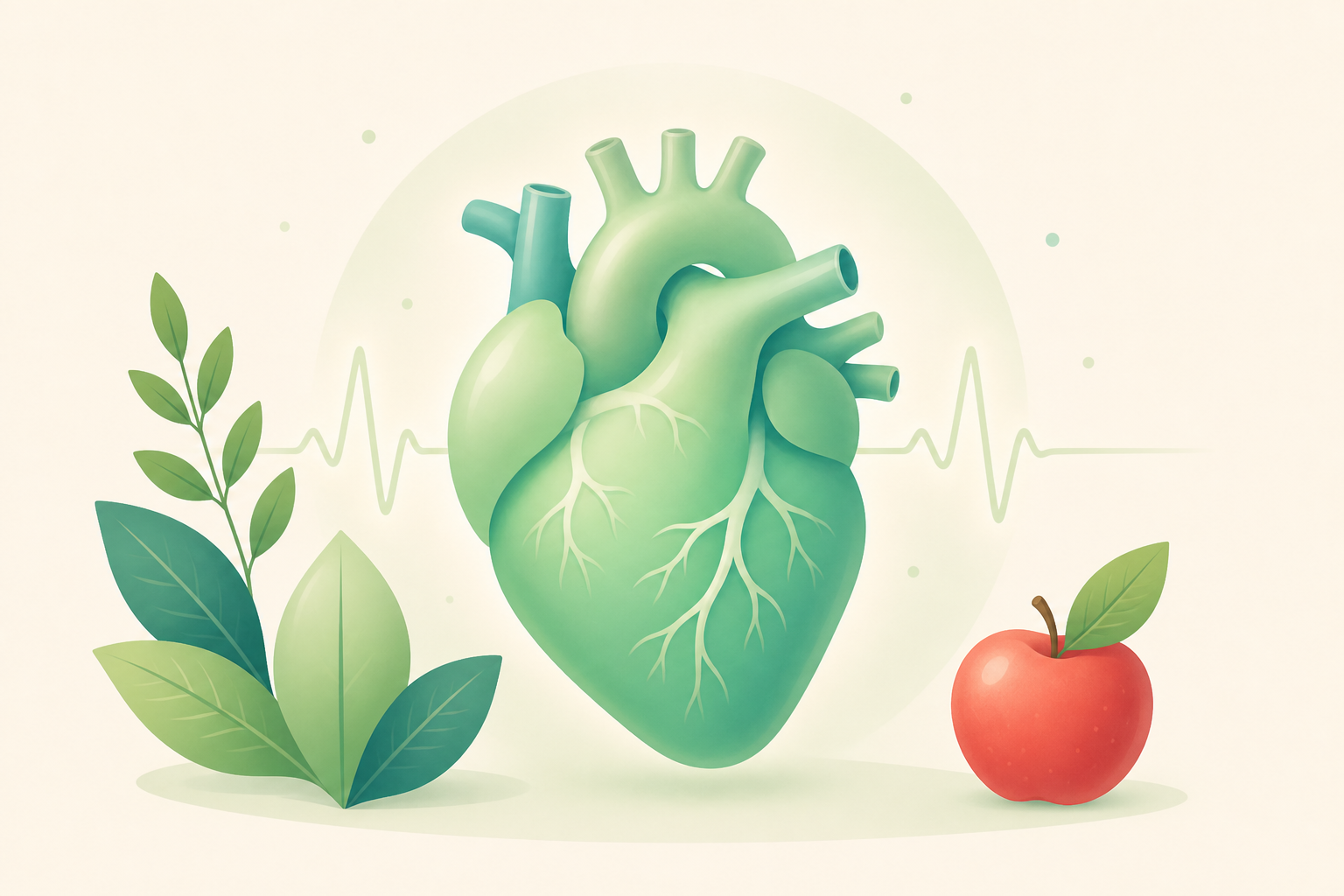
 ❤️ Heart Health
Heart Health: The Complete Guide
Everything about heart health in one place — how the heart works, common heart diseases, coronary artery disease, blood pressure, cholesterol, and a heart-healthy lifestyle.
Section 1: Understanding Heart Health
A Complete Guide to How the Heart Works, Common Heart Conditions, Risk Factors, Prevention, and Lifelong Cardiovascular Wellness
Introduction
The heart is one of the hardest-working organs in the human body. About the size of a closed fist, it pumps blood continuously throughout the body, delivering oxygen and nutrients to tissues while carrying away carbon dioxide and other waste products. A healthy cardiovascular system is essential for nearly every organ. The brain, kidneys, lungs, muscles, and digestive system all depend on an efficient supply of oxygen-rich blood. Maintaining heart health therefore contributes to overall health, physical performance, and quality of life. Cardiovascular disease remains one of the leading causes of illness worldwide. However, many heart conditions are influenced by modifiable risk factors such as blood pressure, cholesterol, smoking, physical activity, diet, and diabetes management. Routine health screenings and healthy lifestyle habits can help reduce the risk of many cardiovascular conditions. This guide explains how the heart works, why heart health matters, common cardiovascular diseases, warning signs, risk factors, prevention strategies, and when to seek medical advice.
What Is the Heart?
The heart is a muscular organ located in the chest, slightly to the left of the center. It works as a powerful pump that circulates blood throughout the body every minute of every day. A healthy adult heart typically beats thousands of times each day, supplying oxygen and nutrients to every organ and tissue.
Where Is the Heart Located?
The heart is located:
- Behind the breastbone (sternum)
- Between the lungs
- Slightly left of the center of the chest
- Protected by the rib cage
It is surrounded by a protective sac called the pericardium.
Why Is Heart Health Important?
Healthy heart function supports:
- Oxygen delivery throughout the body
- Nutrient transport
- Removal of waste products
- Healthy blood pressure
- Brain function
- Kidney function
- Physical activity
- Overall energy levels
Because the heart works continuously, maintaining cardiovascular health is important throughout life.
How the Heart Works
The heart has four chambers:
- Right atrium
- Right ventricle
- Left atrium
- Left ventricle
Its basic function follows a continuous cycle:
- Blood returning from the body enters the right side of the heart.
- The right ventricle pumps blood to the lungs to receive oxygen.
- Oxygen-rich blood returns to the left side of the heart.
- The left ventricle pumps oxygen-rich blood to the rest of the body.
This process repeats continuously to meet the body's changing needs.
Major Parts of the Heart
Heart Chambers The four chambers coordinate blood flow through the heart. Each chamber has a specific role in receiving or pumping blood.
Heart Valves
The heart contains four valves that help blood move in the correct direction:
- Mitral valve
- Tricuspid valve
- Aortic valve
- Pulmonary valve
These valves open and close with each heartbeat.
Coronary Arteries
The heart muscle receives its own blood supply through the coronary arteries. If these arteries become narrowed or blocked, blood flow to the heart muscle may be reduced.
Electrical System
The heart has an internal electrical system that controls heart rhythm. This system coordinates each heartbeat, allowing the chambers to contract in the proper sequence.
Main Functions of the Heart
The heart performs several essential functions. Pumping Blood The primary function of the heart is to circulate blood throughout the body.
Delivering Oxygen
Oxygen-rich blood is transported to tissues where it is needed for normal function.
Delivering Nutrients
The heart helps deliver nutrients, hormones, and other substances carried by the bloodstream.
Removing Waste
Blood returning to the heart carries carbon dioxide and metabolic waste products toward the lungs and other organs involved in waste removal.
Supporting Blood Pressure
The heart works together with blood vessels and the kidneys to help maintain healthy blood pressure.
Signs That May Suggest a Heart Problem
Heart disease may develop gradually and, in some cases, cause few or no symptoms during the early stages. Possible warning signs include:
- Chest discomfort or pressure
- Shortness of breath
- Palpitations (awareness of heartbeat)
- Fatigue
- Swelling of the legs or ankles
- Dizziness
- Fainting
- Reduced exercise tolerance
These symptoms can have many causes and should be evaluated by a qualified healthcare professional.
Who May Be at Higher Risk?
Several factors are associated with an increased risk of cardiovascular disease. Some cannot be changed, while others may be influenced by lifestyle or medical care. Risk factors include:
- High blood pressure
- High cholesterol
- Diabetes
- Smoking
- Obesity
- Physical inactivity
- Older age
- Family history of heart disease
- Chronic kidney disease
- Unhealthy dietary patterns
- Excessive alcohol consumption
Having one or more risk factors does not necessarily mean heart disease will develop, but it may increase the importance of preventive healthcare.
Protecting Your Heart
Healthy habits that support cardiovascular wellness include:
- Eating a balanced diet
- Being physically active
- Maintaining a healthy body weight
- Avoiding tobacco
- Managing stress
- Getting adequate sleep
- Controlling blood pressure
- Managing cholesterol
- Managing diabetes
- Attending routine medical check-ups
These measures contribute to overall cardiovascular health and may reduce the risk of certain heart conditions.
When to Seek Medical Advice
Arrange a medical evaluation if you experience:
- Persistent chest discomfort
- Shortness of breath
- Swelling of the legs
- Frequent palpitations
- Dizziness or fainting
- Persistent fatigue that interferes with daily activities
- High blood pressure readings
- Reduced ability to perform usual physical activities
Seek emergency medical care immediately if you experience severe chest pain, chest pressure with shortness of breath, sudden collapse, or other symptoms that may indicate a medical emergency.
Key Takeaways
The heart is a vital organ responsible for circulating blood, delivering oxygen and nutrients, and supporting every major body system. Maintaining heart health through healthy lifestyle habits, routine health screenings, and appropriate management of conditions such as high blood pressure, diabetes, and high cholesterol can help support lifelong cardiovascular wellness. In the following sections, we'll explore common heart diseases, coronary artery disease, heart attack, heart failure, high blood pressure, cholesterol, heart tests, prevention strategies, treatment options, and frequently asked questions.
Section 2: Common Heart Diseases
Understanding Cardiovascular Conditions, Causes, Symptoms, Risk Factors, Diagnosis, Treatment, and Prevention
Introduction
Heart disease is a broad term that refers to several conditions affecting the heart and blood vessels. These conditions may involve the heart muscle, heart valves, electrical system, coronary arteries, or the blood vessels that supply oxygen-rich blood throughout the body. Some heart diseases develop slowly over many years, while others may occur suddenly. Early diagnosis, appropriate medical care, and healthy lifestyle habits can help manage many cardiovascular conditions and reduce the risk of complications. This guide provides an overview of the most common heart diseases, their causes, symptoms, diagnosis, treatment options, and preventive strategies.
Coronary Artery Disease (CAD) What Is Coronary Artery Disease? Coronary artery disease is one of the most common forms of heart disease. It occurs when the coronary arteries—which supply blood to the heart muscle—become narrowed or blocked, reducing blood flow. Reduced blood flow may cause chest discomfort, particularly during physical activity or emotional stress.
Common Risk Factors
- High blood pressure
- High LDL cholesterol
- Diabetes
- Smoking
- Obesity
- Physical inactivity
- Older age
- Family history of cardiovascular disease
Possible Symptoms
Some individuals may have no symptoms during the early stages. Others may experience:
- Chest pain or pressure (angina)
- Shortness of breath
- Fatigue during activity
- Pain that may spread to the shoulder, arm, jaw, neck, or back
Treatment
Management may include:
- Lifestyle modifications
- Medications
- Cholesterol management
- Blood pressure control
- Procedures such as angioplasty or coronary artery bypass surgery when appropriate
Treatment decisions are individualized based on the severity of disease and overall health.
Heart Attack (Myocardial Infarction) What Is a Heart Attack? A heart attack occurs when blood flow to part of the heart muscle becomes severely reduced or completely blocked for a prolonged period, leading to damage of the affected heart tissue. A heart attack is a medical emergency requiring immediate treatment.
Common Symptoms
Symptoms may include:
- Chest pain or pressure
- Pain radiating to the arm, shoulder, jaw, neck, or back
- Shortness of breath
- Cold sweat
- Nausea
- Vomiting
- Lightheadedness
- Sudden fatigue
Symptoms vary between individuals, and some people—particularly older adults, women, and individuals with diabetes—may experience less typical symptoms.
Emergency Response
If a heart attack is suspected:
- Call your local emergency medical services immediately.
- Do not attempt to drive yourself unless there is no alternative.
- Follow emergency medical instructions while waiting for help.
Rapid treatment improves outcomes and can reduce heart muscle damage.
Heart Failure
What Is Heart Failure? Heart failure does not mean the heart has stopped working. Instead, it means the heart is unable to pump blood as efficiently as the body requires. Heart failure may develop gradually or occur following other heart conditions.
Possible Symptoms
- Shortness of breath
- Fatigue
- Swelling of the ankles, feet, or legs
- Rapid weight gain due to fluid retention
- Difficulty lying flat because of breathlessness
- Reduced exercise tolerance
Management
Treatment often includes:
- Medications
- Dietary guidance
- Physical activity recommendations
- Fluid management when appropriate
- Treatment of underlying heart disease
Arrhythmias (Heart Rhythm Disorders) What Are Arrhythmias? Arrhythmias occur when the heart beats too fast, too slowly, or irregularly due to changes in its electrical system. Some arrhythmias are harmless, while others require medical treatment.
Symptoms
Possible symptoms include:
- Palpitations
- Dizziness
- Fainting
- Fatigue
- Chest discomfort
- Shortness of breath
Some people experience no symptoms and are diagnosed during routine medical evaluations.
Diagnosis
Healthcare professionals may recommend:
- Electrocardiogram (ECG)
- Holter monitor
- Event recorder
- Blood tests
- Echocardiogram
Heart Valve Disease
What Is Heart Valve Disease? The heart contains four valves that regulate blood flow between its chambers and major blood vessels. Valve disease occurs when one or more valves do not open or close properly.
Types
Valve disorders include:
- Valve narrowing (stenosis)
- Valve leakage (regurgitation)
- Valve prolapse
Symptoms
Possible symptoms include:
- Fatigue
- Shortness of breath
- Chest discomfort
- Dizziness
- Swelling
- Heart murmur
Treatment
Management depends on the severity of the condition and may include:
- Monitoring
- Medications
- Valve repair
- Valve replacement
Congenital Heart Disease
Congenital heart disease refers to structural abnormalities of the heart that are present at birth. Some defects are diagnosed during infancy, while others may not be identified until adulthood. Treatment depends on the specific condition and its severity.
Cardiomyopathy
Cardiomyopathy is a disease of the heart muscle that may reduce the heart's ability to pump blood effectively. Types include:
- Dilated cardiomyopathy
- Hypertrophic cardiomyopathy
- Restrictive cardiomyopathy
Symptoms vary depending on the type and severity.
Pericardial Disease
The pericardium is the protective sac surrounding the heart. Conditions affecting the pericardium include inflammation and fluid accumulation. Symptoms may include:
- Chest pain
- Fever
- Shortness of breath
Diagnosis and treatment depend on the underlying cause.
Risk Factors for Heart Disease
Several factors increase the likelihood of cardiovascular disease. Non-Modifiable Risk Factors
- Increasing age
- Biological sex
- Family history
- Certain inherited conditions
Modifiable Risk Factors
- Smoking
- High blood pressure
- High cholesterol
- Diabetes
- Obesity
- Physical inactivity
- Unhealthy dietary patterns
- Excessive alcohol intake
- Poor sleep habits
Addressing modifiable risk factors may reduce cardiovascular risk.
How Heart Diseases Are Diagnosed
Healthcare professionals may use a combination of:
- Medical history
- Physical examination
- Blood pressure measurement
- Blood tests
- Electrocardiogram (ECG)
- Echocardiogram
- Stress testing
- Cardiac CT or MRI
- Coronary angiography when indicated
The choice of tests depends on symptoms and individual clinical circumstances.
Preventing Heart Disease
Many heart diseases are associated with lifestyle and medical risk factors that can be managed. Preventive measures include:
- Eating a balanced diet
- Exercising regularly
- Maintaining a healthy weight
- Avoiding tobacco
- Managing blood pressure
- Managing cholesterol
- Controlling diabetes
- Limiting excessive alcohol intake
- Managing stress
- Getting adequate sleep
- Attending routine health screenings
These habits support both heart health and overall well-being.
When to Seek Medical Advice
Arrange a medical evaluation if you experience:
- Recurrent chest discomfort
- Persistent shortness of breath
- Frequent palpitations
- Swelling of the legs
- Dizziness or fainting
- Unexplained fatigue
- Reduced ability to exercise
Seek emergency medical care immediately for:
- Severe chest pain
- Chest pressure lasting several minutes
- Sudden shortness of breath
- Collapse or loss of consciousness
- Symptoms that may indicate a heart attack or other medical emergency
Frequently Asked Questions
What is the most common type of heart disease? Coronary artery disease is one of the most common forms of heart disease worldwide. Can heart disease develop without symptoms? Yes. Some cardiovascular conditions may not produce noticeable symptoms during their early stages. Are all irregular heartbeats dangerous? No. Some arrhythmias are harmless, while others require evaluation and treatment. A healthcare professional can determine the significance of an abnormal heart rhythm. Can heart disease be prevented? Not all heart disease can be prevented, but managing modifiable risk factors such as blood pressure, cholesterol, diabetes, smoking, physical activity, and nutrition can help reduce the risk of many cardiovascular conditions.
Key Takeaways
Heart disease includes a wide range of conditions affecting the heart muscle, blood vessels, valves, and electrical system. Coronary artery disease, heart attacks, heart failure, arrhythmias, valve disorders, congenital heart disease, cardiomyopathy, and pericardial disease each have unique characteristics but often share common risk factors. Understanding symptoms, attending routine health screenings, and adopting heart-healthy lifestyle habits can support early detection and long-term cardiovascular health. In the next section, we'll take a deeper look at coronary artery disease, including its causes, diagnosis, treatment, and prevention.
Section 3: Coronary Artery Disease (CAD)
Understanding Causes, Symptoms, Risk Factors, Diagnosis, Treatment, Prevention, and Long-Term Heart Care
Introduction
Coronary artery disease (CAD), also called coronary heart disease or ischemic heart disease, is one of the most common cardiovascular conditions worldwide. It develops when the coronary arteries—the blood vessels that supply oxygen-rich blood to the heart muscle—become narrowed or blocked, reducing blood flow to the heart. The condition usually develops gradually over many years. During its early stages, coronary artery disease may not cause noticeable symptoms. As the narrowing becomes more significant, reduced blood flow can lead to chest discomfort, shortness of breath, or other symptoms, particularly during physical activity or emotional stress. Although coronary artery disease is a chronic condition, many people successfully manage it through lifestyle modifications, medications, routine medical care, and, when necessary, specialized procedures. Understanding coronary artery disease is an important step toward protecting long-term heart health.
What Is Coronary Artery Disease?
The heart muscle requires a constant supply of oxygen and nutrients to function effectively. This blood supply comes from the coronary arteries. Coronary artery disease occurs when these arteries become narrowed, making it more difficult for blood to reach the heart muscle. If blood flow becomes severely restricted or completely blocked, a heart attack may occur.
How the Coronary Arteries Work
There are two main coronary arteries that branch into smaller vessels to supply different parts of the heart. Healthy coronary arteries:
- Deliver oxygen-rich blood
- Supply nutrients to heart muscle cells
- Remove metabolic waste
- Support normal heart contractions
When these arteries become narrowed, the heart may not receive enough oxygen during increased activity.
What Causes Coronary Artery Disease?
The most common underlying process is atherosclerosis, in which fatty deposits called plaques gradually build up inside artery walls. Over time, these plaques can:
- Narrow the arteries
- Reduce blood flow
- Become unstable
- Form blood clots that may suddenly block an artery
Atherosclerosis often develops slowly over many years.
Risk Factors
Some risk factors cannot be changed, while others can often be managed. Non-Modifiable Risk Factors
- Increasing age
- Family history of heart disease
- Certain inherited conditions
- Biological sex
Modifiable Risk Factors
Many factors associated with CAD can be improved through lifestyle changes or medical treatment. These include:
- High blood pressure
- High LDL cholesterol
- Diabetes
- Smoking
- Obesity
- Physical inactivity
- Unhealthy dietary patterns
- Chronic stress
- Poor sleep habits
- Excessive alcohol consumption
Managing these factors may reduce cardiovascular risk.
Symptoms of Coronary Artery Disease
Some individuals have no symptoms during the early stages. When symptoms occur, they may include: Angina (Chest Pain) Angina is chest discomfort caused by reduced blood flow to the heart muscle. People often describe it as:
- Pressure
- Tightness
- Heaviness
- Squeezing
- Burning sensation
Angina commonly occurs during physical activity or emotional stress and often improves with rest or treatment.
Shortness of Breath
Reduced blood flow to the heart may make physical activity more difficult, resulting in breathlessness.
Fatigue
Some individuals notice unusual tiredness or reduced ability to perform routine activities.
Pain in Other Areas
Discomfort may spread to:
- Left arm
- Right arm
- Shoulder
- Neck
- Jaw
- Upper back
Symptoms vary between individuals.
Silent Coronary Artery Disease
Some people develop coronary artery disease without experiencing noticeable symptoms. This is sometimes referred to as "silent ischemia." Routine health screenings and evaluation of cardiovascular risk factors can help identify people who may benefit from further assessment.
Possible Complications
If left untreated, coronary artery disease may contribute to complications such as:
- Heart attack
- Heart failure
- Abnormal heart rhythms
- Reduced heart function
- Sudden cardiac events
Appropriate treatment can help lower the risk of these complications.
How Coronary Artery Disease Is Diagnosed
Healthcare professionals evaluate symptoms, medical history, physical examination findings, and test results. Common diagnostic tools include:
Medical History
Questions may cover:
- Chest pain
- Exercise tolerance
- Family history
- Smoking
- Blood pressure
- Diabetes
- Cholesterol levels
Physical Examination
A physical examination helps assess heart sounds, circulation, blood pressure, and signs of cardiovascular disease.
Electrocardiogram (ECG) An ECG records the heart's electrical activity. It may help identify:
- Previous heart attacks
- Rhythm abnormalities
- Signs of reduced blood flow
Blood Tests
Blood tests may evaluate:
- Cholesterol
- Blood glucose
- Kidney function
- Cardiac biomarkers when a heart attack is suspected
Exercise Stress Test
A stress test evaluates how the heart performs during physical activity or with medication that mimics exercise.
Echocardiogram
This ultrasound examination creates images of the heart's chambers, valves, and pumping function.
Coronary CT Angiography
CT imaging may help visualize the coronary arteries and identify narrowing in selected patients.
Coronary Angiography
In certain situations, coronary angiography provides detailed images of the coronary arteries using contrast dye and specialized imaging. It may also guide treatment decisions.
Treatment
Treatment aims to improve blood flow, reduce symptoms, prevent complications, and lower cardiovascular risk.
Lifestyle Changes
Lifestyle modification forms the foundation of long-term management. Healthcare professionals commonly recommend:
- Heart-healthy eating patterns
- Regular physical activity
- Smoking cessation
- Weight management
- Blood pressure control
- Diabetes management
- Stress reduction
- Adequate sleep
Medications
Depending on individual circumstances, medications may be prescribed to:
- Lower cholesterol
- Control blood pressure
- Reduce the workload of the heart
- Improve blood flow
- Reduce the risk of blood clot formation
Medication choices vary from person to person and should always follow professional medical advice.
Percutaneous Coronary Intervention (PCI) Also called coronary angioplasty, PCI uses a small balloon to widen a narrowed artery. A stent is often placed to help keep the artery open.
Coronary Artery Bypass Grafting (CABG)
CABG is a surgical procedure that creates a new pathway for blood to reach the heart muscle by bypassing blocked coronary arteries. Healthcare professionals determine whether surgery is appropriate based on the severity and location of arterial disease.
Living With Coronary Artery Disease
Many people continue to lead active lives after diagnosis. Long-term management typically includes:
- Taking medications as prescribed
- Regular medical follow-up
- Monitoring blood pressure and cholesterol
- Participating in cardiac rehabilitation when recommended
- Maintaining healthy lifestyle habits
- Recognizing new or worsening symptoms
Consistent management supports long-term cardiovascular health.
Preventing Coronary Artery Disease
Although not every case can be prevented, healthy habits may reduce risk. Helpful strategies include:
- Eat a diet rich in vegetables, fruits, whole grains, legumes, nuts, and lean protein.
- Limit foods high in saturated fat, trans fat, added sugars, and excess sodium.
- Engage in regular physical activity appropriate for your health status.
- Avoid tobacco products.
- Maintain a healthy body weight.
- Manage diabetes, blood pressure, and cholesterol.
- Limit excessive alcohol consumption.
- Attend regular preventive health check-ups.
When to Seek Immediate Medical Care
Seek emergency medical attention immediately if you experience:
- Chest pain lasting more than a few minutes
- Chest discomfort accompanied by shortness of breath
- Pain spreading to the arm, jaw, shoulder, neck, or back
- Sudden sweating with chest discomfort
- Collapse or loss of consciousness
- Symptoms that may indicate a heart attack
Prompt treatment can significantly improve outcomes.
Frequently Asked Questions
Is coronary artery disease the same as a heart attack? No. Coronary artery disease is a chronic condition involving narrowed coronary arteries. A heart attack can occur if one of these arteries becomes suddenly blocked. Can coronary artery disease be reversed? While existing plaque may not completely disappear, healthy lifestyle changes, medications, and management of risk factors can slow progression and reduce the risk of complications. Can young adults develop coronary artery disease? Yes. Although risk generally increases with age, younger adults can develop CAD, particularly if they have significant risk factors such as smoking, diabetes, obesity, inherited cholesterol disorders, or a strong family history. Is exercise safe for people with CAD? Many people with CAD benefit from regular physical activity. Exercise programs should be individualized and guided by healthcare professionals, particularly after a cardiac event or procedure.
Key Takeaways
Coronary artery disease is one of the most common forms of heart disease and develops when the arteries supplying the heart become narrowed, reducing blood flow. Although it often progresses gradually, early recognition of risk factors, routine medical evaluation, and timely treatment can help prevent complications such as heart attacks and heart failure. Long-term management combines heart-healthy lifestyle habits, appropriate medications, regular follow-up, and, when necessary, procedures such as angioplasty or bypass surgery. With consistent care, many individuals successfully manage coronary artery disease and maintain a good quality of life.
Section 4: Heart Attack (Myocardial Infarction)
Understanding Causes, Symptoms, Emergency Response, Diagnosis, Treatment, Recovery, and Prevention
Introduction
A heart attack, medically known as a myocardial infarction (MI), is a serious medical emergency that occurs when blood flow to a portion of the heart muscle becomes severely reduced or completely blocked. Without an adequate supply of oxygen-rich blood, the affected heart muscle begins to sustain damage. Prompt medical treatment is essential because restoring blood flow as quickly as possible can reduce heart muscle injury and improve outcomes. Advances in emergency care, medications, and interventional procedures have significantly improved survival rates when treatment is received without delay. Learning to recognize the warning signs of a heart attack and understanding the importance of immediate medical attention can help save lives.
What Is a Heart Attack?
The heart muscle depends on a continuous supply of oxygen delivered by the coronary arteries. A heart attack occurs when one of these arteries becomes blocked, preventing oxygen-rich blood from reaching part of the heart muscle. If blood flow is not restored promptly, the affected heart tissue may become damaged. A heart attack requires urgent medical evaluation and treatment.
What Causes a Heart Attack?
Most heart attacks occur because of coronary artery disease, in which fatty deposits (plaques) build up inside the coronary arteries over time. In many cases:
- A plaque becomes unstable and ruptures.
- A blood clot forms at the site of the rupture.
- The clot partially or completely blocks blood flow.
- The heart muscle supplied by that artery receives insufficient oxygen.
Less common causes of heart attack include coronary artery spasm, spontaneous coronary artery dissection (SCAD), and other uncommon medical conditions.
Risk Factors
Several factors increase the likelihood of a heart attack. Non-Modifiable Risk Factors
- Increasing age
- Family history of premature heart disease
- Certain inherited conditions
- Biological sex
Modifiable Risk Factors
Many risk factors can be managed with healthy lifestyle habits and appropriate medical care. These include:
- High blood pressure
- High LDL cholesterol
- Diabetes
- Smoking
- Obesity
- Physical inactivity
- Unhealthy diet
- Chronic stress
- Poor sleep quality
- Excessive alcohol consumption
Warning Signs and Symptoms
Symptoms vary from person to person. The most common warning signs include: Chest Pain or Pressure People often describe chest discomfort as:
- Pressure
- Tightness
- Squeezing
- Fullness
- Heaviness
- Burning sensation
The discomfort usually lasts several minutes or may come and go.
Pain Spreading to Other Areas
Pain may radiate to:
- Left arm
- Right arm
- Shoulder
- Neck
- Jaw
- Upper back
Shortness of Breath
Breathlessness may occur before, during, or after chest discomfort.
Cold Sweat
Sudden sweating without an obvious cause may accompany a heart attack.
Nausea or Vomiting
Some people experience digestive symptoms that may resemble indigestion.
Dizziness or Lightheadedness
Reduced blood flow may lead to dizziness or a feeling of faintness.
Unusual Fatigue
Some individuals, particularly women and older adults, may notice unusual fatigue before or during a heart attack.
Symptoms May Differ
Not everyone experiences the classic symptom of severe chest pain. Some people may have:
- Mild chest discomfort
- Upper back pain
- Jaw pain
- Nausea
- Fatigue
- Shortness of breath without chest pain
Older adults, women, and people with diabetes may sometimes experience less typical symptoms.
What To Do During a Suspected Heart Attack
If a heart attack is suspected:
- Call your local emergency medical services immediately.
- Stay as calm as possible while waiting for medical assistance.
- Rest and avoid unnecessary physical activity.
- Follow instructions provided by emergency responders.
Do not delay seeking emergency care, even if symptoms seem to improve.
How Healthcare Professionals Diagnose a Heart Attack
Diagnosis typically involves several assessments.
Medical History
Healthcare professionals ask about:
- Symptoms
- Timing of symptoms
- Medical history
- Current medications
- Family history
Physical Examination
The examination includes assessment of:
- Heart rate
- Blood pressure
- Oxygen levels
- Heart sounds
- Lung sounds
Electrocardiogram (ECG) An ECG records the electrical activity of the heart. It is one of the first tests performed when a heart attack is suspected.
Blood Tests
Blood tests measure cardiac biomarkers that may indicate heart muscle injury. These tests are often repeated over several hours to monitor changes.
Echocardiogram
An echocardiogram uses ultrasound to evaluate:
- Heart pumping function
- Heart muscle movement
- Valve function
- Structural abnormalities
Coronary Angiography
Coronary angiography allows healthcare professionals to identify blocked coronary arteries and determine whether procedures such as angioplasty are appropriate.
Treatment
Treatment depends on the individual's condition and the extent of coronary artery blockage.
Emergency Medications
Healthcare professionals may administer medications to:
- Reduce blood clot formation
- Improve blood flow
- Relieve symptoms
- Reduce the workload of the heart
Medication selection depends on the clinical situation.
Percutaneous Coronary Intervention (PCI) PCI, commonly called angioplasty, is frequently performed to restore blood flow. A small balloon is used to open the blocked artery, and a stent is often placed to help keep the artery open.
Coronary Artery Bypass Surgery (CABG)
Some individuals require bypass surgery if coronary artery disease is extensive or PCI is not the most appropriate treatment.
Recovery After a Heart Attack
Recovery varies depending on:
- The amount of heart muscle affected
- How quickly treatment was received
- Overall health
- Existing medical conditions
Many individuals gradually resume normal activities under medical guidance. Recovery often includes:
- Regular follow-up appointments
- Medication adherence
- Heart-healthy nutrition
- Physical activity
- Smoking cessation
- Blood pressure management
- Cholesterol management
- Diabetes management when applicable
Cardiac Rehabilitation
Cardiac rehabilitation is a medically supervised program that may include:
- Exercise training
- Nutrition education
- Risk factor management
- Emotional support
- Lifestyle counseling
Participation is often recommended after a heart attack to support recovery and reduce future cardiovascular risk.
Preventing Future Heart Attacks
Preventive measures include:
- Eat a balanced diet rich in vegetables, fruits, whole grains, legumes, and lean proteins.
- Be physically active according to your healthcare professional's advice.
- Maintain a healthy body weight.
- Avoid tobacco products.
- Limit excessive alcohol intake.
- Manage blood pressure.
- Manage cholesterol.
- Control diabetes.
- Take medications exactly as prescribed.
- Attend routine follow-up appointments.
Long-term prevention is based on consistent healthy habits rather than short-term changes.
When to Seek Emergency Medical Care
Call emergency medical services immediately if you experience:
- Chest pain lasting more than a few minutes
- Chest pressure with shortness of breath
- Pain spreading to the arm, jaw, neck, shoulder, or back
- Sudden sweating with chest discomfort
- Collapse
- Loss of consciousness
- Symptoms that may indicate a heart attack
Do not ignore or attempt to self-diagnose these symptoms.
Frequently Asked Questions
Is a heart attack the same as cardiac arrest? No. A heart attack occurs when blood flow to part of the heart muscle is blocked. Cardiac arrest occurs when the heart suddenly stops pumping effectively due to an electrical problem. A heart attack can sometimes lead to cardiac arrest, but the two conditions are different.
Can a heart attack happen without severe chest pain? Yes. Some individuals experience mild symptoms or atypical symptoms such as shortness of breath, nausea, fatigue, jaw pain, or back pain.
Can younger adults have heart attacks? Although heart attacks become more common with age, they can occur in younger adults, particularly when significant cardiovascular risk factors are present.
Can lifestyle changes reduce future risk? Healthy lifestyle habits, combined with appropriate medical care and prescribed medications, can reduce the risk of future cardiovascular events.
Key Takeaways
A heart attack is a medical emergency that occurs when blood flow to part of the heart muscle is suddenly interrupted. Early recognition of symptoms and immediate medical care are essential to reduce heart muscle damage and improve outcomes. Managing cardiovascular risk factors, following prescribed treatment plans, participating in cardiac rehabilitation when recommended, and maintaining heart-healthy lifestyle habits can support recovery and reduce the likelihood of future heart-related complications.
Section 5: High Blood Pressure (Hypertension)
Understanding Causes, Symptoms, Diagnosis, Treatment, Prevention, and Long-Term Blood Pressure Management
Introduction
Blood pressure is the force exerted by circulating blood against the walls of the arteries. It is essential for delivering oxygen and nutrients throughout the body. However, when blood pressure remains consistently higher than recommended over time, it can place additional strain on the heart and blood vessels. High blood pressure, also known as hypertension, is one of the most common chronic health conditions worldwide. It is a major risk factor for heart disease, stroke, kidney disease, and other cardiovascular complications. Because hypertension often develops without noticeable symptoms, it is sometimes referred to as a "silent condition." Routine blood pressure monitoring, healthy lifestyle habits, and appropriate medical treatment when necessary can help reduce the risk of complications and support long-term cardiovascular health.
What Is Blood Pressure?
Blood pressure measures the force of blood pushing against artery walls as the heart pumps. A blood pressure reading consists of two numbers: Systolic Blood Pressure The upper number represents the pressure in the arteries when the heart contracts and pumps blood. Diastolic Blood Pressure The lower number represents the pressure in the arteries when the heart relaxes between beats. Both values provide important information about cardiovascular health.
What Is Hypertension?
Hypertension is a condition in which blood pressure remains consistently above the range considered healthy by healthcare professionals. A diagnosis is generally based on multiple blood pressure measurements taken over time rather than a single elevated reading. Healthcare providers use established clinical guidelines to interpret blood pressure measurements and determine whether treatment is appropriate.
Why High Blood Pressure Matters
Persistent high blood pressure can gradually damage blood vessels and increase the workload on the heart. Over time, uncontrolled hypertension may contribute to:
- Coronary artery disease
- Heart attack
- Heart failure
- Stroke
- Chronic kidney disease
- Vision problems
- Peripheral artery disease
Early detection and ongoing management can help reduce these risks.
Types of Hypertension
Primary (Essential) Hypertension Primary hypertension develops gradually over many years and has no single identifiable cause. It accounts for the majority of hypertension cases.
Secondary Hypertension
Secondary hypertension results from an underlying medical condition or certain medications. Possible causes include:
- Kidney disease
- Hormonal disorders
- Sleep apnea
- Certain medications
- Some endocrine conditions
Treatment focuses on both blood pressure management and the underlying cause.
Risk Factors
Several factors are associated with an increased risk of hypertension. Non-Modifiable Risk Factors
- Increasing age
- Family history
- Certain inherited conditions
Modifiable Risk Factors
Many risk factors can be influenced by healthy lifestyle choices. These include:
- Excess sodium intake
- Physical inactivity
- Obesity
- Smoking
- Excessive alcohol consumption
- Chronic stress
- Poor sleep quality
- Unhealthy dietary patterns
Managing these factors may help support healthy blood pressure.
Symptoms
Most people with hypertension have no noticeable symptoms, even when blood pressure is significantly elevated. When symptoms occur, they may have many possible causes and require medical evaluation. Possible symptoms associated with severely elevated blood pressure or related complications may include:
- Headache
- Blurred vision
- Chest discomfort
- Shortness of breath
- Dizziness
- Nosebleeds in some situations
Do not rely on symptoms alone to determine whether blood pressure is elevated.
How Blood Pressure Is Measured
Blood pressure is measured using a blood pressure monitor. For the most accurate reading:
- Sit quietly for several minutes beforehand.
- Keep your back supported.
- Place your feet flat on the floor.
- Rest your arm at heart level.
- Avoid talking during the measurement.
- Follow the instructions provided by your healthcare professional or device manufacturer.
Healthcare professionals may recommend repeated measurements over time to confirm a diagnosis.
Diagnosing Hypertension
Diagnosis generally includes:
- Medical history
- Physical examination
- Multiple blood pressure readings
- Review of medications
- Assessment of cardiovascular risk factors
Additional tests may include:
- Blood tests
- Urine tests
- Electrocardiogram (ECG)
- Kidney function tests
- Cholesterol testing
These evaluations help identify contributing factors and assess overall cardiovascular health.
Treatment
Treatment depends on blood pressure levels, overall health, and individual cardiovascular risk.
Lifestyle Changes
Lifestyle modification is the foundation of hypertension management. Recommended strategies often include:
- Eating a balanced diet rich in fruits, vegetables, whole grains, and lean protein
- Reducing excess sodium intake
- Maintaining a healthy weight
- Exercising regularly
- Limiting excessive alcohol consumption
- Avoiding tobacco products
- Managing stress
- Getting sufficient sleep
These habits support both blood pressure control and overall health.
Medications
Some individuals require medication in addition to lifestyle changes. Healthcare professionals may prescribe medications that:
- Relax blood vessels
- Reduce fluid retention
- Slow the heart rate
- Lower blood pressure through other mechanisms
Medication plans should always be followed as prescribed. Never stop blood pressure medication without consulting your healthcare provider.
Monitoring Blood Pressure at Home
Home blood pressure monitoring may help:
- Track progress
- Evaluate treatment effectiveness
- Identify patterns over time
Use a validated blood pressure monitor and discuss results with your healthcare professional. Home monitoring does not replace routine medical care.
Complications of Uncontrolled Hypertension
Without appropriate management, persistent hypertension may increase the risk of:
- Heart attack
- Heart failure
- Stroke
- Kidney disease
- Vision loss
- Cognitive decline
- Damage to blood vessels throughout the body
Regular monitoring and treatment help reduce these risks.
Preventing High Blood Pressure
Although not all cases can be prevented, healthy habits may reduce the likelihood of developing hypertension. Helpful measures include:
- Maintain a healthy body weight.
- Stay physically active.
- Eat a balanced, nutrient-rich diet.
- Limit excess sodium.
- Avoid tobacco.
- Moderate alcohol intake.
- Manage stress effectively.
- Prioritize good sleep.
- Attend regular health check-ups.
Consistent healthy habits often have the greatest long-term impact.
When to Seek Medical Advice
Schedule a medical evaluation if you:
- Have consistently elevated blood pressure readings.
- Have a family history of hypertension.
- Have diabetes or kidney disease.
- Experience chest discomfort, shortness of breath, or dizziness.
- Have questions about managing your blood pressure.
Seek emergency medical care immediately if you experience:
- Severe chest pain
- Sudden weakness or numbness
- Difficulty speaking
- Sudden vision changes
- Severe shortness of breath
- Loss of consciousness
- Symptoms that may indicate a hypertensive emergency, stroke, or heart attack
Frequently Asked Questions
Can hypertension develop without symptoms? Yes. Many people with high blood pressure have no symptoms, which is why routine screening is important.
Can healthy lifestyle habits lower blood pressure? For many individuals, healthy eating, regular physical activity, weight management, limiting sodium, avoiding tobacco, and moderating alcohol intake can contribute to improved blood pressure control. Some people also require medication.
How often should blood pressure be checked? The recommended frequency depends on age, medical history, risk factors, and previous blood pressure readings. A healthcare professional can provide individualized guidance.
Is hypertension curable? Primary hypertension is generally managed rather than cured. With appropriate treatment and healthy lifestyle habits, many people maintain blood pressure within recommended ranges and reduce their risk of complications.
Key Takeaways
High blood pressure is a common condition that often develops without noticeable symptoms but can significantly increase the risk of heart disease, stroke, kidney disease, and other serious health problems if left untreated. Routine blood pressure monitoring, healthy lifestyle habits, adherence to prescribed treatment, and regular medical follow-up are key components of long-term blood pressure management and cardiovascular health. In the next section, we'll explore cholesterol and heart health, including the different types of cholesterol, how cholesterol affects the arteries, recommended testing, treatment options, and prevention strategies.
Section 6: Cholesterol and Heart Health
Understanding Cholesterol, Lipoproteins, Risk Factors, Testing, Treatment, and Prevention
Introduction
Cholesterol is a waxy, fat-like substance that plays an essential role in the body. It is used to build cell membranes, produce certain hormones, synthesize vitamin D, and aid in digestion. Although cholesterol is necessary for normal body function, having unhealthy cholesterol levels—particularly elevated levels of low-density lipoprotein (LDL) cholesterol—can increase the risk of cardiovascular disease. High cholesterol usually develops without noticeable symptoms. Many people are unaware they have elevated cholesterol until it is detected through a routine blood test or after a cardiovascular event. Because of this, regular health screenings and preventive care are important components of long-term heart health. This guide explains the different types of cholesterol, how cholesterol affects the heart and blood vessels, common risk factors, diagnosis, treatment options, and evidence-based prevention strategies.
What Is Cholesterol?
Cholesterol is a naturally occurring substance found in every cell of the body. The body produces most of the cholesterol it needs, primarily in the liver. Cholesterol is also obtained from certain foods. Cholesterol supports several important functions, including:
- Building healthy cell membranes
- Producing hormones such as estrogen, testosterone, and cortisol
- Helping synthesize vitamin D
- Supporting the production of bile acids for digestion
While cholesterol is essential, maintaining healthy levels is important for cardiovascular health.
How Cholesterol Travels in the Blood
Because cholesterol cannot dissolve in blood, it is transported by particles called lipoproteins. The two main types are:
- Low-Density Lipoprotein (LDL)
- High-Density Lipoprotein (HDL)
Another important blood fat measured during cholesterol testing is triglycerides.
Low-Density Lipoprotein (LDL) LDL is commonly referred to as "bad cholesterol." When LDL levels remain elevated over time, cholesterol may accumulate within artery walls. This process contributes to the formation of plaques that narrow the arteries, increasing the risk of coronary artery disease, heart attack, stroke, and peripheral artery disease. Lowering LDL cholesterol is often a key goal in cardiovascular risk reduction.
High-Density Lipoprotein (HDL) HDL is often called "good cholesterol." HDL helps transport excess cholesterol away from the arteries and back to the liver, where it can be processed and removed from the body. Higher HDL levels are generally associated with improved cardiovascular health, although overall cardiovascular risk depends on many factors.
Triglycerides
Triglycerides are a type of fat stored by the body for energy. High triglyceride levels may be associated with:
- Obesity
- Diabetes
- Physical inactivity
- Excessive alcohol intake
- Certain inherited conditions
Managing triglycerides is an important aspect of overall cardiovascular health.
What Causes High Cholesterol?
High cholesterol develops due to a combination of genetic, lifestyle, and medical factors. Common contributing factors include:
- Diets high in saturated fats and trans fats
- Physical inactivity
- Obesity
- Smoking
- Diabetes
- Hypothyroidism
- Kidney disease
- Certain medications
- Family history of high cholesterol
Some individuals inherit conditions that cause significantly elevated cholesterol despite healthy lifestyle habits.
Risk Factors for Cardiovascular Disease
High cholesterol is one of several factors that contribute to cardiovascular risk. Other important risk factors include:
- High blood pressure
- Diabetes
- Smoking
- Obesity
- Older age
- Family history of heart disease
- Chronic kidney disease
- Physical inactivity
Healthcare professionals assess overall cardiovascular risk rather than relying on cholesterol levels alone.
Symptoms
High cholesterol usually causes no symptoms. Most individuals learn they have elevated cholesterol through routine blood testing. This is why preventive screening is recommended for many adults based on age, medical history, and individual risk factors.
How Cholesterol Is Diagnosed
Healthcare professionals evaluate cholesterol using a lipid profile, a blood test that typically measures:
- Total cholesterol
- LDL cholesterol
- HDL cholesterol
- Triglycerides
Results are interpreted alongside other cardiovascular risk factors, including blood pressure, diabetes, age, smoking status, and family history.
Understanding Your Lipid Profile
A lipid profile provides information that helps healthcare professionals estimate cardiovascular risk and guide treatment decisions. Rather than focusing on a single number, clinicians consider:
- Overall cholesterol pattern
- Individual medical history
- Existing cardiovascular disease
- Family history
- Other risk factors
Treatment goals are personalized based on current clinical guidelines.
Treatment
Treatment depends on the individual's overall cardiovascular risk.
Lifestyle Modifications
Healthy lifestyle habits are the foundation of cholesterol management. Recommendations commonly include: Eat a Heart-Healthy Diet Focus on:
- Fruits
- Vegetables
- Whole grains
- Beans and legumes
- Nuts and seeds
- Fish
- Lean protein
- Healthy plant oils
Limit foods high in:
- Saturated fat
- Trans fat
- Added sugars
- Highly processed foods
- Excess sodium
Stay Physically Active
Regular exercise may help improve cholesterol levels and supports overall cardiovascular health. Adults should aim for regular physical activity appropriate for their age and health status.
Maintain a Healthy Weight
Achieving and maintaining a healthy body weight supports healthy cholesterol levels and reduces cardiovascular risk.
Avoid Tobacco
Smoking damages blood vessels and contributes to cardiovascular disease. Quitting smoking benefits both cholesterol-related risk and overall heart health.
Limit Excessive Alcohol
Moderating alcohol intake supports cardiovascular and overall health.
Medications
Some individuals benefit from cholesterol-lowering medications. Healthcare professionals determine whether medication is appropriate based on:
- LDL cholesterol levels
- Cardiovascular risk
- Existing heart disease
- Diabetes
- Family history
Medication should always be taken according to professional medical advice.
Preventing High Cholesterol
Preventive strategies include:
- Eat a balanced diet.
- Exercise regularly.
- Maintain a healthy weight.
- Avoid tobacco products.
- Limit excessive alcohol intake.
- Manage diabetes.
- Control blood pressure.
- Attend routine preventive health screenings.
These habits contribute to long-term cardiovascular wellness.
Complications of Untreated High Cholesterol
Persistently elevated cholesterol may contribute to:
- Coronary artery disease
- Heart attack
- Stroke
- Peripheral artery disease
- Reduced blood flow to vital organs
Appropriate management helps reduce these risks.
When to Seek Medical Advice
Arrange a healthcare evaluation if you:
- Have a family history of high cholesterol or premature heart disease.
- Have diabetes, hypertension, or kidney disease.
- Are concerned about cardiovascular risk.
- Have abnormal cholesterol test results.
- Need guidance regarding lifestyle or medications.
Routine cholesterol testing is an important part of preventive healthcare.
Frequently Asked Questions
Can high cholesterol cause symptoms? High cholesterol typically causes no noticeable symptoms. It is most often detected through blood testing.
Is all cholesterol harmful? No. Cholesterol is essential for normal body function. The goal is to maintain healthy levels of different lipoproteins and reduce overall cardiovascular risk.
Can healthy eating improve cholesterol? For many people, a balanced eating pattern combined with physical activity, weight management, and avoidance of tobacco contributes to healthier cholesterol levels. Some individuals also require medication.
How often should cholesterol be checked? Testing frequency depends on age, medical history, cardiovascular risk, and previous test results. Healthcare professionals can provide individualized recommendations.
Key Takeaways
Cholesterol is an essential substance required for many normal body functions, but unhealthy cholesterol levels—particularly elevated LDL cholesterol—can increase the risk of cardiovascular disease over time. Routine screening, healthy lifestyle habits, appropriate medical treatment when indicated, and regular follow-up help support healthy cholesterol levels and reduce the risk of heart attack, stroke, and other cardiovascular complications. The next section will focus on heart-healthy lifestyle and prevention, bringing together nutrition, physical activity, sleep, stress management, weight control, and other evidence-based strategies for lifelong cardiovascular wellness.
Section 7: Heart-Healthy Lifestyle and Prevention
Evidence-Based Daily Habits to Support Cardiovascular Health and Reduce the Risk of Heart Disease
Introduction
Heart health is influenced by a combination of genetics, age, environmental factors, and everyday lifestyle choices. While some cardiovascular risk factors cannot be changed, many can be managed through healthy habits and regular preventive healthcare. Research has shown that maintaining a heart-healthy lifestyle may help reduce the risk of conditions such as coronary artery disease, heart attack, stroke, heart failure, and high blood pressure. Even small, sustainable lifestyle changes can contribute to long-term cardiovascular health when practiced consistently. This guide outlines practical, evidence-based strategies that support heart health throughout life.
Why Prevention Is Important
Cardiovascular disease often develops gradually over many years. Early prevention aims to:
- Support healthy blood vessels
- Maintain efficient heart function
- Reduce cardiovascular risk factors
- Promote overall physical and mental well-being
- Encourage healthy aging
Preventive care is beneficial for individuals of all ages, not only those with existing heart disease.
Eat a Heart-Healthy Diet
Nutrition plays a central role in cardiovascular health. A balanced dietary pattern may help support healthy blood pressure, cholesterol levels, body weight, and blood sugar regulation. Focus on including:
- Fruits
- Vegetables
- Whole grains
- Legumes
- Nuts and seeds
- Lean proteins
- Fish
- Low-fat dairy or suitable alternatives
- Healthy plant-based oils
A variety of nutrient-rich foods provides vitamins, minerals, fiber, and healthy fats that contribute to overall health.
Limit Highly Processed Foods
Many processed foods contain higher amounts of:
- Sodium
- Added sugars
- Saturated fats
- Trans fats
Reducing reliance on highly processed foods may support heart health.
Increase Dietary Fiber
Fiber-rich foods include:
- Oats
- Whole grains
- Beans
- Lentils
- Fruits
- Vegetables
Adequate fiber intake supports digestive health and may contribute to healthier cholesterol levels.
Stay Physically Active
Regular exercise supports cardiovascular fitness and overall health. Potential benefits include:
- Improved circulation
- Better blood pressure control
- Weight management
- Improved insulin sensitivity
- Better cholesterol profile
- Increased energy
- Improved mental well-being
Adults should aim for regular physical activity appropriate for their age, fitness level, and health status. Activities may include:
- Walking
- Cycling
- Swimming
- Jogging
- Dancing
- Strength training
- Recreational sports
Consult a healthcare professional before starting a new exercise program if you have significant medical conditions or cardiovascular concerns.
Maintain a Healthy Body Weight
Maintaining a healthy weight helps reduce strain on the heart. Healthy weight management supports:
- Blood pressure
- Blood sugar control
- Cholesterol management
- Joint health
- Overall physical function
Sustainable lifestyle habits are generally more effective than restrictive or short-term diets.
Avoid Tobacco Products
Smoking damages blood vessels throughout the body and is a major risk factor for cardiovascular disease. Quitting smoking benefits:
- Heart health
- Lung function
- Blood circulation
- Stroke risk
- Overall life expectancy
Support from healthcare professionals can improve success with smoking cessation.
Limit Alcohol Consumption
Excessive alcohol intake may contribute to:
- High blood pressure
- Heart rhythm problems
- Weight gain
- Liver disease
Following public health guidance regarding alcohol—or choosing not to drink—supports long-term health.
Manage Blood Pressure
Healthy blood pressure supports:
- Heart function
- Brain health
- Kidney function
- Healthy blood vessels
Strategies include:
- Healthy eating
- Regular exercise
- Maintaining a healthy weight
- Limiting sodium
- Managing stress
- Taking prescribed medications when necessary
Routine monitoring helps identify elevated blood pressure early.
Manage Cholesterol
Healthy cholesterol management includes:
- Balanced nutrition
- Physical activity
- Weight management
- Avoiding tobacco
- Following prescribed treatment when indicated
Routine lipid testing allows healthcare professionals to monitor cardiovascular risk over time.
Control Diabetes
Long-term elevated blood glucose levels increase the risk of cardiovascular disease. People living with diabetes benefit from:
- Individualized treatment plans
- Blood glucose management
- Routine healthcare appointments
- Healthy nutrition
- Regular physical activity
Good diabetes management supports both heart and kidney health.
Prioritize Sleep
Sleep plays an important role in cardiovascular wellness. Consistently poor sleep may affect:
- Blood pressure
- Blood sugar regulation
- Weight management
- Hormonal balance
- Mental health
Most adults benefit from maintaining regular sleep habits and obtaining sufficient restorative sleep.
Manage Stress
Chronic stress may influence cardiovascular health through its effects on lifestyle behaviors, blood pressure, and overall well-being. Healthy stress-management strategies include:
- Regular physical activity
- Relaxation techniques
- Mindfulness practices
- Spending time with supportive family and friends
- Enjoying hobbies
- Seeking professional support when needed
Managing stress is an important part of a healthy lifestyle.
Attend Preventive Health Check-Ups
Routine medical care helps identify risk factors before symptoms develop. Healthcare professionals may recommend monitoring:
- Blood pressure
- Cholesterol
- Blood glucose
- Weight
- Kidney function
- Lifestyle habits
- Family history
The frequency of preventive screenings depends on individual risk factors.
Recognize Warning Signs
Seek medical evaluation if you experience:
- Chest discomfort
- Shortness of breath
- Palpitations
- Swelling of the legs
- Dizziness
- Persistent fatigue
- Reduced exercise tolerance
These symptoms may have many possible causes and should be assessed by a qualified healthcare professional. Seek emergency medical care immediately for severe chest pain, sudden shortness of breath, collapse, or other symptoms that may indicate a medical emergency.
Daily Habits That Support Heart Health
Simple daily practices include:
- Eat a balanced diet rich in plant-based foods.
- Stay physically active.
- Drink enough water for your individual needs.
- Maintain a healthy body weight.
- Avoid tobacco.
- Moderate alcohol intake.
- Get adequate sleep.
- Manage stress.
- Take medications as prescribed.
- Attend routine medical appointments.
Long-term consistency is more beneficial than occasional intensive efforts.
Frequently Asked Questions
Can lifestyle changes reduce the risk of heart disease? Healthy eating, regular physical activity, weight management, avoiding tobacco, controlling blood pressure and cholesterol, and managing diabetes may help reduce the risk of many cardiovascular diseases.
Is exercise beneficial for heart health? Yes. Regular physical activity supports cardiovascular fitness, blood pressure control, weight management, and overall health.
Does stress affect the heart? Chronic stress may contribute to cardiovascular risk indirectly by influencing blood pressure, sleep, eating habits, and physical activity.
When should preventive heart screenings begin? The timing and frequency of screenings depend on age, family history, medical conditions, and other cardiovascular risk factors. A healthcare professional can recommend an individualized screening schedule.
Key Takeaways
Heart health is influenced by daily habits practiced over many years. Eating a balanced diet, staying physically active, maintaining a healthy weight, avoiding tobacco, limiting alcohol, managing stress, getting adequate sleep, and attending regular health screenings are evidence-based strategies that support lifelong cardiovascular wellness. While genetics and age play a role in cardiovascular health, many risk factors can be managed through consistent lifestyle choices and appropriate medical care. Building sustainable habits and seeking preventive healthcare when needed are among the most effective ways to support a healthy heart. In the final section, we'll answer the most common questions people have about heart health, heart disease, blood pressure, cholesterol, prevention, and cardiovascular wellness in a comprehensive FAQ.
Section 8: Frequently Asked Questions (FAQs) About Heart Health
Expert Answers to Common Questions About the Heart, Heart Disease, Blood Pressure, Cholesterol, Prevention, and Cardiovascular Wellness
Introduction
Heart health is a topic that raises many questions, from understanding how the heart works to recognizing the signs of cardiovascular disease and learning how to reduce long-term risk. This FAQ section provides evidence-based answers to common questions about heart health. The information below is intended for educational purposes only. It should not replace professional medical advice, diagnosis, or treatment. If you have symptoms or concerns about your heart, consult a qualified healthcare professional.
General Heart Health
- What does the heart do?
The heart is a muscular organ that pumps blood throughout the body. It supplies oxygen and nutrients to tissues while helping remove carbon dioxide and other waste products.
- How many chambers does the heart have?
The human heart has four chambers:
- Right atrium
- Right ventricle
- Left atrium
- Left ventricle
These chambers work together to circulate blood through the lungs and the rest of the body.
- Can someone live with heart disease?
Yes. Many people with heart disease lead active and fulfilling lives with appropriate medical care, healthy lifestyle habits, medications when prescribed, and regular follow-up.
- Can heart disease develop without symptoms?
Yes. Some cardiovascular conditions, including coronary artery disease and high blood pressure, may not cause noticeable symptoms during their early stages.
Heart Disease
- What is coronary artery disease?
Coronary artery disease occurs when the arteries supplying blood to the heart become narrowed or blocked, reducing blood flow to the heart muscle.
- What is the difference between a heart attack and cardiac arrest?
A heart attack occurs when blood flow to part of the heart muscle is blocked. Cardiac arrest occurs when the heart suddenly stops pumping effectively because of an electrical problem. Although a heart attack can sometimes lead to cardiac arrest, they are different medical conditions.
- Can younger adults develop heart disease?
Yes. While cardiovascular risk generally increases with age, younger adults may develop heart disease, particularly if they have significant risk factors such as smoking, diabetes, obesity, inherited conditions, or a strong family history.
- Are all irregular heartbeats dangerous?
No. Some irregular heart rhythms are harmless, while others require medical evaluation and treatment. Persistent palpitations, dizziness, fainting, or chest discomfort should be assessed by a healthcare professional.
Blood Pressure
- What is considered high blood pressure?
Healthcare professionals diagnose hypertension based on multiple blood pressure measurements interpreted according to established clinical guidelines. A single elevated reading is generally not enough to diagnose hypertension.
- Does high blood pressure always cause symptoms?
No. Most people with hypertension have no noticeable symptoms, which is why routine blood pressure screening is important.
- Can high blood pressure damage the heart?
Yes. Over time, uncontrolled hypertension increases the workload on the heart and may contribute to coronary artery disease, heart failure, stroke, and kidney disease.
Cholesterol
- Is all cholesterol harmful?
No. Cholesterol is essential for normal body function. Maintaining healthy levels of LDL cholesterol, HDL cholesterol, and triglycerides is important for cardiovascular health.
- Can high cholesterol cause symptoms?
High cholesterol typically causes no symptoms and is usually detected through routine blood testing.
- How often should cholesterol be checked?
The appropriate screening schedule depends on age, medical history, family history, and cardiovascular risk. A healthcare professional can recommend individualized testing intervals.
Lifestyle
- Does exercise benefit the heart?
Yes. Regular physical activity supports heart function, circulation, blood pressure management, cholesterol control, weight management, and overall well-being.
- What foods support heart health?
A heart-healthy eating pattern emphasizes:
- Fruits
- Vegetables
- Whole grains
- Beans and legumes
- Nuts and seeds
- Fish
- Lean proteins
- Healthy plant oils
Limiting foods high in saturated fat, trans fat, added sugars, and excess sodium may also support cardiovascular health.
- Does smoking increase heart disease risk?
Yes. Smoking damages blood vessels and is a major risk factor for heart disease, stroke, and peripheral artery disease.
- Does sleep affect heart health?
Adequate sleep supports blood pressure regulation, metabolic health, and overall cardiovascular wellness. Persistent sleep problems should be discussed with a healthcare professional.
- Can stress affect the heart?
Chronic stress may indirectly increase cardiovascular risk by affecting blood pressure, sleep, eating habits, and other lifestyle factors. Healthy stress-management strategies can support overall well-being.
Prevention
- Can heart disease be prevented?
Not every case of heart disease can be prevented, particularly when inherited conditions are involved. However, managing modifiable risk factors may significantly reduce the risk of many cardiovascular diseases.
- What are the most important preventive habits?
Healthy habits include:
- Eating a balanced diet
- Regular physical activity
- Maintaining a healthy weight
- Avoiding tobacco
- Limiting excessive alcohol intake
- Managing blood pressure
- Managing cholesterol
- Controlling diabetes
- Getting adequate sleep
- Attending routine medical check-ups
- How important are routine health screenings?
Routine screenings help detect risk factors such as high blood pressure, diabetes, and high cholesterol before symptoms develop. Early detection allows timely management and may reduce the risk of complications.
Warning Signs
- What symptoms should never be ignored?
Seek medical evaluation for:
- Chest discomfort
- Shortness of breath
- Frequent palpitations
- Swelling of the legs
- Dizziness
- Unexplained fatigue
- Reduced exercise tolerance
These symptoms may have many causes and require professional assessment.
- When should emergency medical care be sought?
Call emergency medical services immediately if you experience:
- Severe chest pain
- Chest pressure lasting several minutes
- Pain spreading to the jaw, arm, neck, shoulder, or back
- Sudden shortness of breath
- Collapse
- Loss of consciousness
- Symptoms that may indicate a heart attack or other cardiovascular emergency
Living With Heart Disease
- Can people with heart disease exercise?
Many people with heart disease benefit from regular physical activity. The most appropriate exercise program depends on the individual's condition and should be guided by a healthcare professional.
- Is medication always necessary?
Not always. Some individuals manage cardiovascular risk through lifestyle modifications alone, while others require medications based on their medical condition and overall risk profile.
- Can someone recover after a heart attack?
Many people recover well after a heart attack with appropriate medical treatment, cardiac rehabilitation, healthy lifestyle changes, and ongoing follow-up care.
- Why are follow-up appointments important?
Regular follow-up allows healthcare professionals to:
- Monitor recovery
- Assess treatment effectiveness
- Adjust medications when necessary
- Manage cardiovascular risk factors
- Detect complications early
Heart Health Across Different Life Stages
- Does heart disease only affect older adults?
No. Although the likelihood increases with age, heart disease can affect younger adults, particularly those with inherited conditions or significant cardiovascular risk factors.
- Is it ever too late to improve heart health?
Healthy lifestyle changes can provide benefits at many stages of life. Improvements in nutrition, physical activity, smoking cessation, blood pressure management, and cholesterol control may contribute to better cardiovascular health over time.
Final Thoughts
Heart health is influenced by a combination of genetics, medical conditions, lifestyle choices, and preventive healthcare. Understanding cardiovascular risk factors, recognizing possible warning signs, attending routine medical check-ups, and maintaining healthy daily habits all contribute to long-term heart wellness. If you have symptoms, concerns, or risk factors for cardiovascular disease, consult a qualified healthcare professional for individualized evaluation and guidance. This concludes the Heart Health Pillar, providing a comprehensive educational resource covering heart anatomy, common cardiovascular diseases, coronary artery disease, heart attacks, hypertension, cholesterol management, prevention strategies, and answers to frequently asked questions. Together, these sections create a strong foundation for a heart health content hub that can internally link to more specialized articles on arrhythmias, heart failure, valve disease, congenital heart disease, cardiac rehabilitation, heart-healthy recipes, exercise, and other cardiovascular topics.