
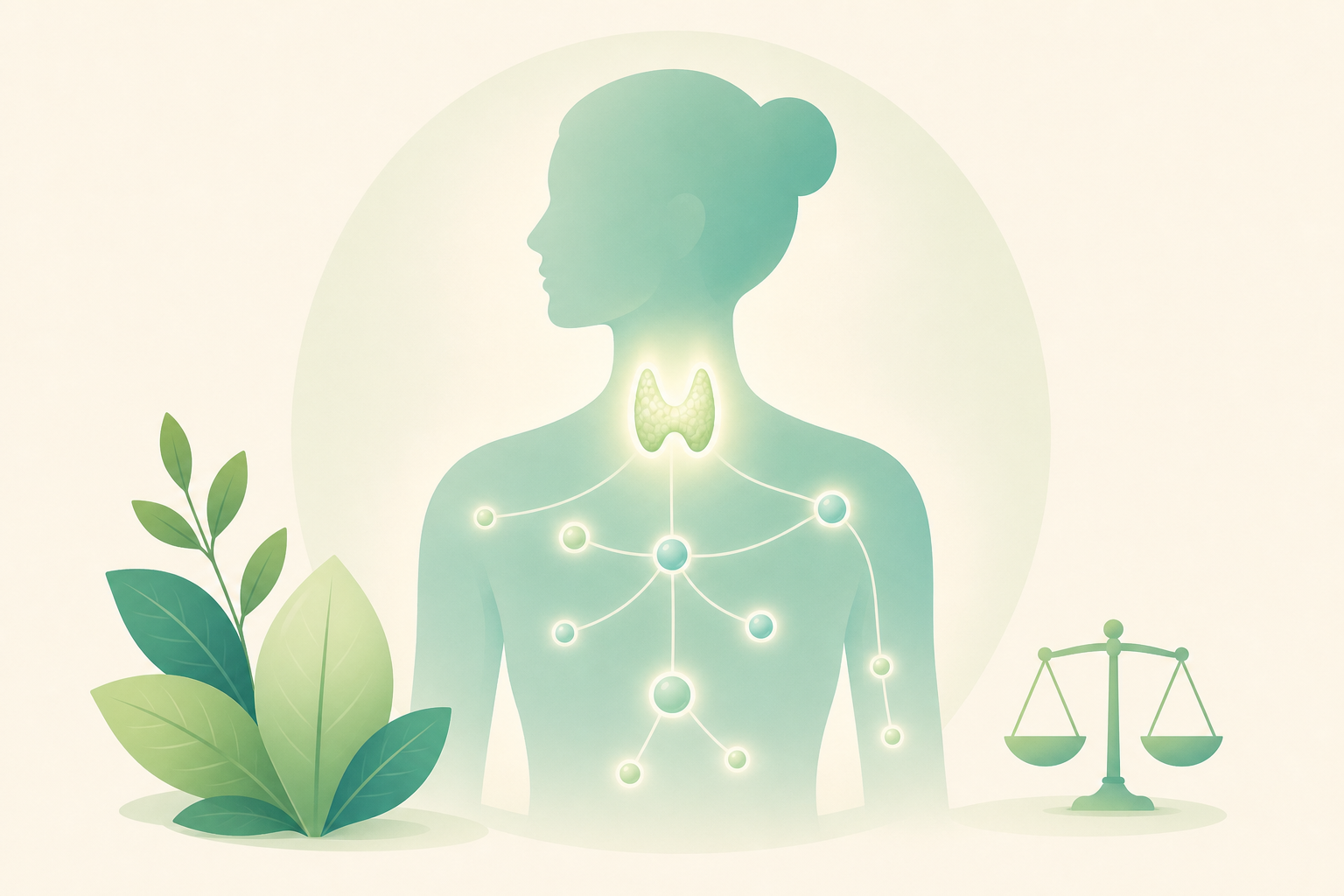
 ⚖️ Hormonal & Endocrine Health
Hormonal & Endocrine Health: The Complete Guide
Everything about hormonal health in one place — the endocrine system, diabetes, thyroid disorders, reproductive hormones, stress hormones, and lifelong endocrine wellness.
Section 1: Understanding the Endocrine System and Hormones
A Comprehensive Guide to Hormones, Endocrine Glands, Chemical Messengers, Homeostasis, and Their Role in Overall Health
Introduction
The endocrine system is one of the body's primary communication networks. While the nervous system sends rapid electrical signals, the endocrine system communicates through hormones—chemical messengers that travel through the bloodstream to regulate the function of organs and tissues throughout the body. Hormones influence nearly every aspect of health, including growth and development, metabolism, blood sugar regulation, reproduction, sleep, stress responses, mood, bone health, and cardiovascular function. Even small changes in hormone production or hormone sensitivity can affect multiple body systems. The endocrine system works continuously to maintain homeostasis, the body's ability to keep its internal environment stable despite changing external conditions. Because hormones interact with one another, disruption in one gland can sometimes influence several other organs. This guide introduces the endocrine system, explains how hormones work, describes the major endocrine glands, and explores the important role hormones play in maintaining overall health.
What Is the Endocrine System?
The endocrine system is a collection of glands and specialized tissues that produce and release hormones directly into the bloodstream. Once released, hormones travel throughout the body and bind to specific receptors on target cells, where they regulate a wide variety of biological processes. Unlike nerves, which transmit signals within milliseconds, hormones generally act over minutes, hours, or even days.
What Are Hormones?
Hormones are naturally occurring chemical messengers produced by endocrine glands. They help regulate:
- Growth and development
- Metabolism
- Blood glucose levels
- Blood pressure
- Reproductive function
- Sexual development
- Sleep-wake cycles
- Stress responses
- Mood
- Bone remodeling
- Body temperature
- Fluid and electrolyte balance
Hormones influence almost every organ in the human body.
How Hormones Work
Hormones circulate through the bloodstream until they reach cells that contain the appropriate hormone receptors. The process generally involves:
- A gland releases a hormone.
- The hormone enters the bloodstream.
- It travels to target tissues.
- It binds to specific receptors.
- The target cells respond.
- Feedback systems help regulate future hormone release.
This highly controlled process allows the body to maintain internal balance.
Homeostasis
Homeostasis refers to the body's ability to maintain stable internal conditions despite changes in the external environment. The endocrine system helps regulate:
- Blood sugar
- Blood pressure
- Body temperature
- Calcium levels
- Water balance
- Energy production
- Reproductive function
- Sleep patterns
Maintaining homeostasis is essential for normal health.
Major Endocrine Glands
Several glands work together within the endocrine system. Major endocrine organs include:
- Hypothalamus
- Pituitary gland
- Thyroid gland
- Parathyroid glands
- Adrenal glands
- Pancreas
- Ovaries
- Testes
- Pineal gland
Each gland produces different hormones with unique functions.
Hypothalamus
The hypothalamus is located in the brain and serves as an important connection between the nervous and endocrine systems. Its functions include regulating:
- Body temperature
- Hunger
- Thirst
- Sleep
- Circadian rhythm
- Hormone release from the pituitary gland
The hypothalamus plays a central role in maintaining homeostasis.
Pituitary Gland
Often called the "master gland," the pituitary gland produces hormones that influence many other endocrine glands. Important pituitary hormones include:
- Growth hormone (GH)
- Thyroid-stimulating hormone (TSH)
- Adrenocorticotropic hormone (ACTH)
- Follicle-stimulating hormone (FSH)
- Luteinizing hormone (LH)
- Prolactin
- Antidiuretic hormone (ADH) (released from the posterior pituitary)
- Oxytocin (released from the posterior pituitary)
The pituitary coordinates many hormonal functions throughout the body.
Thyroid Gland
The thyroid gland is located in the front of the neck. Its hormones help regulate:
- Metabolism
- Body temperature
- Energy use
- Heart rate
- Growth and development
Thyroid disorders are among the most common endocrine conditions.
Parathyroid Glands
Four small parathyroid glands are usually located behind the thyroid gland. They produce parathyroid hormone (PTH), which helps regulate:
- Blood calcium
- Bone remodeling
- Vitamin D activity
- Phosphate balance
Maintaining calcium balance is essential for nerve, muscle, and bone function.
Adrenal Glands
The adrenal glands sit above each kidney. They produce several hormones, including:
- Cortisol
- Aldosterone
- Adrenaline (epinephrine)
- Noradrenaline (norepinephrine)
These hormones contribute to:
- Stress responses
- Blood pressure regulation
- Salt and water balance
- Metabolism
- Cardiovascular function
Pancreas
The pancreas has both digestive and endocrine functions. Its endocrine cells produce hormones including:
- Insulin
- Glucagon
These hormones work together to regulate blood glucose levels. Proper pancreatic function is essential for energy metabolism.
Ovaries
In females, the ovaries produce hormones including:
- Estrogen
- Progesterone
These hormones regulate:
- Menstrual cycles
- Ovulation
- Pregnancy
- Bone health
- Reproductive development
Hormone production naturally changes throughout life.
Testes
In males, the testes primarily produce:
- Testosterone
Testosterone contributes to:
- Puberty
- Muscle development
- Bone strength
- Sperm production
- Sexual function
Levels naturally change with age.
Pineal Gland
The pineal gland produces melatonin, a hormone involved in regulating the body's internal clock and sleep-wake cycle. Melatonin production is influenced by exposure to light and darkness.
Hormone Feedback Loops
Hormone production is tightly controlled through feedback mechanisms. The most common system is negative feedback, in which increasing hormone levels signal glands to reduce further production. This helps maintain hormone levels within healthy ranges. Positive feedback occurs in a limited number of physiological situations, such as labor and childbirth.
Hormones and Body Systems
Hormones influence nearly every major body system. Examples include: Metabolism Thyroid hormones and insulin regulate energy production and nutrient use.
Growth
Growth hormone and thyroid hormones support normal growth and development.
Reproduction
Sex hormones regulate fertility, puberty, pregnancy, and reproductive health.
Stress
Cortisol and adrenaline help the body respond to physical and emotional stress.
Bone Health
Estrogen, testosterone, parathyroid hormone, vitamin D, and calcitonin contribute to bone remodeling and calcium balance.
Cardiovascular Health
Hormones help regulate blood pressure, heart rate, and fluid balance.
Factors That Influence Hormone Health
Hormonal balance can be influenced by many factors. These include:
- Genetics
- Age
- Nutrition
- Sleep
- Physical activity
- Chronic stress
- Certain medications
- Pregnancy
- Chronic diseases
- Body weight
Changes in hormone levels do not always indicate disease, as many hormones naturally fluctuate throughout life.
Supporting Healthy Hormonal Function
Evidence-based lifestyle habits include:
- Eat a balanced diet.
- Stay physically active.
- Sleep consistently.
- Manage stress.
- Maintain a healthy body weight.
- Avoid tobacco.
- Limit excessive alcohol.
- Attend routine healthcare appointments.
- Follow treatment plans for chronic medical conditions.
Healthy lifestyle habits support overall endocrine function but cannot prevent every hormonal disorder.
Frequently Asked Questions
Are hormones important only for reproduction? No. Hormones regulate metabolism, growth, sleep, stress responses, cardiovascular function, bone health, fluid balance, and many other essential processes.
Can hormone levels change naturally? Yes. Hormone levels normally fluctuate throughout the day, across the menstrual cycle, during pregnancy, and as part of healthy aging.
Is the endocrine system connected to the nervous system? Yes. The hypothalamus links the nervous and endocrine systems, allowing them to work together to maintain homeostasis.
Can lifestyle affect hormone health? Healthy nutrition, regular exercise, adequate sleep, stress management, and maintaining a healthy weight support overall endocrine health, although some hormonal disorders require medical treatment.
Key Takeaways
The endocrine system is a network of glands that produces hormones to regulate growth, metabolism, reproduction, stress responses, sleep, cardiovascular function, bone health, and many other physiological processes. Hormones act as chemical messengers, coordinating communication between organs to maintain homeostasis. Because hormones influence nearly every body system, endocrine health depends on the proper function of multiple glands working together. Understanding the endocrine system provides the foundation for recognizing hormonal disorders and appreciating the importance of preventive healthcare, healthy lifestyle habits, and timely medical evaluation when symptoms arise. Next Section: Common Hormonal and Endocrine Disorders, covering thyroid diseases, diabetes, adrenal disorders, pituitary disorders, reproductive hormone imbalances, metabolic syndrome, risk factors, diagnosis, and treatment approaches.
Section 2: Common Hormonal and Endocrine Disorders
A Comprehensive Guide to Thyroid Disorders, Diabetes, Adrenal Disorders, Pituitary Disorders, Reproductive Hormone Imbalances, and Metabolic Conditions
Introduction
The endocrine system helps regulate nearly every major body function through hormones. Because hormones influence metabolism, growth, reproduction, mood, sleep, blood pressure, and blood sugar, disorders affecting endocrine glands can have widespread effects throughout the body. Hormonal disorders may develop gradually, making early symptoms difficult to recognize. Fatigue, unexplained weight changes, mood changes, altered appetite, menstrual irregularities, excessive thirst, or changes in heart rate may all be associated with hormonal conditions, although these symptoms can also result from many other health problems. Accurate diagnosis often requires a combination of medical history, physical examination, laboratory testing, and imaging studies. Early identification and appropriate treatment can help manage symptoms, reduce complications, and improve quality of life. This guide provides an overview of the most common endocrine disorders, their symptoms, causes, diagnosis, and treatment options.
Thyroid Disorders
The thyroid gland regulates metabolism, energy production, body temperature, and numerous other body functions through thyroid hormones. Thyroid disorders are among the most common endocrine conditions worldwide.
Hypothyroidism
What Is Hypothyroidism? Hypothyroidism occurs when the thyroid gland does not produce enough thyroid hormone. A slower metabolism may affect multiple organs and body systems.
Possible Symptoms
Symptoms may include:
- Fatigue
- Weight gain
- Feeling unusually cold
- Dry skin
- Constipation
- Slow heart rate
- Depression
- Hair thinning
- Muscle weakness
- Memory difficulties
Symptoms often develop gradually.
Common Causes
Possible causes include:
- Autoimmune thyroid disease
- Thyroid surgery
- Radiation therapy
- Certain medications
- Iodine deficiency in some regions
Hyperthyroidism
What Is Hyperthyroidism? Hyperthyroidism occurs when the thyroid produces excessive amounts of thyroid hormone. This accelerates many metabolic processes.
Possible Symptoms
Symptoms may include:
- Weight loss
- Rapid heartbeat
- Increased sweating
- Anxiety
- Tremors
- Heat intolerance
- Frequent bowel movements
- Difficulty sleeping
Medical evaluation is important because untreated hyperthyroidism may lead to complications.
Thyroid Nodules
Thyroid nodules are growths within the thyroid gland. Many nodules are noncancerous and cause no symptoms. Evaluation may include:
- Physical examination
- Thyroid function tests
- Ultrasound
- Fine-needle aspiration biopsy when appropriate
Diabetes Mellitus
Diabetes is a chronic condition characterized by elevated blood glucose levels resulting from problems with insulin production, insulin action, or both.
Type 1 Diabetes
Type 1 diabetes develops when the immune system destroys insulin-producing beta cells in the pancreas. People with type 1 diabetes require lifelong insulin therapy.
Type 2 Diabetes
Type 2 diabetes develops when the body becomes resistant to insulin and may gradually produce insufficient insulin over time. Risk factors include:
- Excess body weight
- Physical inactivity
- Family history
- Advancing age
- Certain medical conditions
Lifestyle changes and medications are commonly used for management.
Common Symptoms of Diabetes
Possible symptoms include:
- Increased thirst
- Frequent urination
- Fatigue
- Blurred vision
- Slow wound healing
- Increased hunger
- Unexplained weight changes
Some individuals have few or no symptoms during the early stages.
Prediabetes
Prediabetes refers to blood glucose levels that are higher than normal but not high enough for a diagnosis of diabetes. Early identification provides an opportunity to reduce the risk of progression through lifestyle modifications and medical guidance when appropriate.
Metabolic Syndrome
Metabolic syndrome is a group of health conditions that tend to occur together. These commonly include:
- Increased waist circumference
- Elevated blood pressure
- High blood sugar
- Abnormal cholesterol or triglyceride levels
Management focuses on reducing overall cardiovascular risk through healthy lifestyle changes and medical treatment when indicated.
Adrenal Disorders
The adrenal glands produce hormones involved in stress responses, metabolism, blood pressure regulation, and electrolyte balance.
Addison's Disease
Addison's disease occurs when the adrenal glands produce insufficient amounts of certain hormones, particularly cortisol and often aldosterone. Possible symptoms include:
- Fatigue
- Weight loss
- Low blood pressure
- Dizziness
- Salt craving
- Skin darkening in some individuals
Treatment typically involves hormone replacement therapy.
Cushing Syndrome
Cushing syndrome results from prolonged exposure to high levels of cortisol. Possible causes include:
- Long-term corticosteroid medication use
- Hormone-producing tumors
Symptoms may include:
- Weight gain around the abdomen
- Rounded facial appearance
- Muscle weakness
- High blood pressure
- Elevated blood glucose
- Easy bruising
Treatment depends on the underlying cause.
Pituitary Disorders
Because the pituitary gland regulates many other endocrine glands, disorders affecting it may influence multiple hormone systems. Examples include:
- Pituitary adenomas
- Growth hormone disorders
- Prolactin disorders
- ACTH abnormalities
- TSH abnormalities
Symptoms depend on the hormones involved.
Growth Hormone Disorders
Growth hormone abnormalities may involve excessive or insufficient hormone production. Examples include:
- Growth hormone deficiency
- Acromegaly in adults
- Gigantism in children
These conditions require specialized endocrine evaluation.
Reproductive Hormone Disorders
Hormonal disorders affecting the ovaries or testes may influence fertility, puberty, sexual function, and bone health. Examples include:
- Polycystic ovary syndrome (PCOS)
- Hypogonadism
- Menstrual disorders
- Delayed puberty
- Early puberty
Management depends on the underlying diagnosis and individual health goals.
Hormonal Imbalances During Menopause and Andropause
Menopause Menopause is a natural stage of life marked by the permanent end of menstrual periods due to declining ovarian function. Common symptoms include:
- Hot flashes
- Night sweats
- Sleep disturbances
- Mood changes
- Vaginal dryness
Age-Related Testosterone Decline
Testosterone levels gradually decrease with age in many men. Symptoms may vary and can include:
- Reduced energy
- Decreased muscle mass
- Lower libido
- Mood changes
Similar symptoms may also result from many non-hormonal conditions, making medical evaluation important.
Diagnosing Endocrine Disorders
Healthcare professionals may use:
- Medical history
- Physical examination
- Blood tests
- Urine tests
- Imaging studies
- Ultrasound
- CT scans
- MRI
- Hormone stimulation or suppression tests when appropriate
Diagnosis depends on the suspected disorder.
Treatment Options
Treatment varies depending on the specific endocrine condition. Possible approaches include:
- Hormone replacement therapy
- Medications that reduce hormone production
- Lifestyle modifications
- Nutritional counseling
- Blood glucose management
- Surgery
- Radiation therapy for selected conditions
- Long-term monitoring
Treatment plans should always be individualized.
Supporting Hormonal Health
Healthy lifestyle habits may help support endocrine health. Recommendations include:
- Eat a balanced diet.
- Exercise regularly.
- Maintain a healthy weight.
- Sleep adequately.
- Manage stress.
- Avoid tobacco products.
- Limit excessive alcohol.
- Attend routine healthcare appointments.
- Take prescribed medications as directed.
These habits complement, but do not replace, appropriate medical care.
When to Seek Medical Advice
Consult a healthcare professional if you experience:
- Persistent fatigue
- Unexplained weight gain or weight loss
- Excessive thirst
- Frequent urination
- Menstrual irregularities
- New or worsening heat or cold intolerance
- Rapid or unusually slow heartbeat
- Persistent changes in mood
- Unexplained changes in hair or skin
- Symptoms that interfere with daily life
Early diagnosis can improve long-term health outcomes.
Frequently Asked Questions
Can hormone disorders affect multiple organs? Yes. Because hormones influence many body systems, endocrine disorders often affect more than one organ or function.
Are all hormone changes abnormal? No. Hormone levels naturally change with age, pregnancy, puberty, and throughout the day. Healthcare professionals interpret hormone levels within the appropriate clinical context.
Can lifestyle changes cure endocrine disorders? Healthy lifestyle habits support overall health and are important in managing some endocrine conditions, but many hormonal disorders also require medical treatment and ongoing monitoring.
Is diabetes considered an endocrine disorder? Yes. Diabetes affects the endocrine function of the pancreas and involves abnormalities in insulin production, insulin action, or both.
Key Takeaways
Hormonal and endocrine disorders affect a wide range of body systems because hormones regulate metabolism, growth, reproduction, blood sugar, cardiovascular function, and stress responses. Common conditions include thyroid disorders, diabetes, adrenal diseases, pituitary disorders, reproductive hormone imbalances, and metabolic syndrome. Many endocrine disorders develop gradually, making early recognition and accurate diagnosis essential. Laboratory testing, imaging, and individualized medical evaluation guide treatment, which may include hormone replacement, medications, lifestyle modifications, surgery, or long-term monitoring depending on the condition. Next Section: Diabetes, Blood Sugar Regulation, and Insulin Resistance, covering glucose metabolism, insulin function, type 1 and type 2 diabetes, prediabetes, metabolic syndrome, complications, prevention, monitoring, nutrition, exercise, and long-term management.
Section 3: Diabetes, Blood Sugar Regulation, and Insulin Resistance
A Comprehensive Guide to Glucose Metabolism, Insulin, Prediabetes, Type 1 and Type 2 Diabetes, Prevention, and Long-Term Blood Sugar Management
Introduction
Blood sugar, also known as blood glucose, is the body's primary source of energy. Every cell depends on a steady supply of glucose to function properly, particularly the brain, muscles, and nervous system. The endocrine system carefully regulates blood glucose through hormones, with insulin playing the central role. When this balance is disrupted, blood sugar may become too high or too low. Over time, chronically elevated blood glucose can damage blood vessels, nerves, kidneys, eyes, and the heart. Because diabetes often develops gradually, understanding blood sugar regulation and recognizing early warning signs are essential for maintaining long-term health. This section explains how the body regulates glucose, the role of insulin, different types of diabetes, insulin resistance, potential complications, diagnosis, treatment, and evidence-based lifestyle strategies that support healthy blood sugar management.
What Is Blood Glucose?
Glucose is a simple sugar obtained primarily from carbohydrates in food. After eating:
- Carbohydrates are broken down into glucose.
- Glucose enters the bloodstream.
- Blood sugar levels rise.
- The pancreas releases insulin.
- Insulin helps glucose move from the bloodstream into cells where it is used or stored.
Maintaining blood glucose within a healthy range is essential for normal body function.
The Role of the Pancreas
The pancreas is both a digestive organ and an endocrine gland. Its endocrine cells produce two important hormones: Insulin Insulin lowers blood glucose by helping cells absorb glucose from the bloodstream. It also promotes:
- Glycogen storage in the liver and muscles
- Fat storage
- Protein synthesis
Glucagon
Glucagon has the opposite effect. When blood glucose falls:
- The pancreas releases glucagon.
- The liver breaks down stored glycogen.
- Glucose is released into the bloodstream.
Together, insulin and glucagon help maintain stable blood sugar levels.
What Is Insulin Resistance?
Insulin resistance occurs when the body's cells respond less effectively to insulin. As a result:
- The pancreas produces more insulin.
- Blood glucose gradually rises.
- Over time, the pancreas may struggle to keep up with increased demand.
Insulin resistance is a major contributor to the development of type 2 diabetes.
Risk Factors for Insulin Resistance
Factors associated with insulin resistance include:
- Excess body weight, particularly around the abdomen
- Physical inactivity
- Family history of type 2 diabetes
- Advancing age
- Poor sleep
- Certain hormonal disorders
- History of gestational diabetes
- High blood pressure
- Abnormal cholesterol or triglyceride levels
Having one or more risk factors does not necessarily mean a person will develop diabetes.
Prediabetes
Prediabetes is a condition in which blood glucose levels are higher than normal but not high enough for a diagnosis of diabetes. Many people have no symptoms. Without appropriate lifestyle changes or medical management when indicated, prediabetes may progress to type 2 diabetes. Early identification creates an opportunity to reduce future risk.
Type 1 Diabetes
Type 1 diabetes is an autoimmune condition in which the immune system destroys insulin-producing beta cells in the pancreas. Because little or no insulin is produced:
- Blood glucose rises.
- The body cannot effectively use glucose for energy.
- Lifelong insulin therapy is required.
Type 1 diabetes often develops during childhood or early adulthood but can occur at any age.
Type 2 Diabetes
Type 2 diabetes develops when insulin resistance combines with a gradual decline in insulin production. It is the most common form of diabetes worldwide. Contributing factors include:
- Genetics
- Lifestyle factors
- Body weight
- Physical inactivity
- Age
- Certain medical conditions
Many individuals can successfully manage type 2 diabetes through a combination of healthy lifestyle changes, medication, and regular medical care.
Gestational Diabetes
Gestational diabetes develops during pregnancy when hormonal changes make it harder for the body to use insulin effectively. Most cases resolve after childbirth, but individuals who experience gestational diabetes have an increased risk of developing type 2 diabetes later in life. Regular prenatal care and blood glucose monitoring are important during pregnancy.
Symptoms of High Blood Sugar
High blood sugar (hyperglycemia) may cause:
- Increased thirst
- Frequent urination
- Fatigue
- Blurred vision
- Increased hunger
- Slow wound healing
- Recurrent infections
- Unexplained weight loss in some cases
Symptoms may develop gradually, especially in type 2 diabetes.
Symptoms of Low Blood Sugar
Low blood sugar (hypoglycemia) can occur in people taking insulin or certain diabetes medications. Possible symptoms include:
- Sweating
- Shaking
- Hunger
- Rapid heartbeat
- Confusion
- Irritability
- Dizziness
- Difficulty concentrating
Severe hypoglycemia requires immediate medical attention.
Long-Term Complications of Poorly Controlled Diabetes
Persistently elevated blood glucose may increase the risk of complications affecting multiple organs. Potential complications include: Cardiovascular Disease Higher risk of:
- Heart attack
- Stroke
- Peripheral artery disease
Kidney Disease
Diabetes is a leading cause of chronic kidney disease.
Eye Disease
Damage to blood vessels in the retina may lead to diabetic retinopathy, which can affect vision if left untreated.
Nerve Damage
Diabetic neuropathy may cause:
- Numbness
- Tingling
- Burning sensations
- Pain, especially in the feet and legs
Foot Problems
Reduced sensation and poor circulation may increase the risk of foot ulcers and infections. Regular foot care is an important part of diabetes management.
Diagnosing Diabetes
Healthcare professionals commonly use laboratory tests such as:
- Fasting blood glucose
- Hemoglobin A1c (HbA1c)
- Oral glucose tolerance test (OGTT)
- Random blood glucose in appropriate clinical settings
Diagnosis should always be made and interpreted by a qualified healthcare professional.
Treatment Options
Treatment depends on the type of diabetes and individual health needs. Possible approaches include:
- Healthy eating patterns
- Regular physical activity
- Weight management
- Blood glucose monitoring
- Insulin therapy
- Oral diabetes medications
- Non-insulin injectable medications
- Routine follow-up with healthcare professionals
Treatment plans should be individualized.
Nutrition for Healthy Blood Sugar
A balanced dietary pattern supports blood glucose management. General recommendations include:
- Eat plenty of vegetables.
- Choose whole grains over refined grains.
- Include lean protein sources.
- Consume healthy fats in moderation.
- Limit sugar-sweetened beverages.
- Reduce highly processed foods.
- Eat regular, balanced meals.
- Monitor portion sizes when appropriate.
There is no single eating plan that works for everyone with diabetes.
Physical Activity
Regular exercise helps improve insulin sensitivity and supports overall health. Benefits may include:
- Better blood glucose regulation
- Improved cardiovascular health
- Weight management
- Enhanced muscle strength
- Improved mental well-being
Adults should choose activities appropriate for their age, fitness level, and medical conditions.
Monitoring Blood Sugar
Depending on the type of diabetes and treatment plan, monitoring may include:
- Home blood glucose monitoring
- Continuous glucose monitoring (CGM) for some individuals
- Regular HbA1c testing
- Routine medical follow-up
Monitoring helps guide treatment decisions and assess long-term blood glucose control.
Preventing Type 2 Diabetes
While type 1 diabetes cannot currently be prevented, the risk of developing type 2 diabetes may be reduced in many individuals through healthy lifestyle habits. Evidence-based recommendations include:
- Maintain a healthy weight.
- Exercise regularly.
- Eat a balanced diet.
- Avoid smoking.
- Sleep adequately.
- Manage stress.
- Attend routine health screenings if at increased risk.
These measures support overall metabolic health.
When to Seek Medical Advice
Consult a healthcare professional if you experience:
- Persistent excessive thirst
- Frequent urination
- Unexplained weight loss
- Blurred vision
- Recurrent infections
- Persistent fatigue
- Symptoms of low blood sugar
- Difficulty managing known diabetes
- Foot wounds that do not heal
Prompt medical evaluation helps reduce the risk of complications.
Frequently Asked Questions
Is diabetes caused by eating sugar alone? No. Diabetes develops through a combination of genetic, environmental, metabolic, and lifestyle factors. While excessive intake of sugary foods and beverages may contribute to weight gain and increased risk of type 2 diabetes, it is not the sole cause.
Can prediabetes be reversed? Some individuals with prediabetes can return their blood glucose levels to the normal range through healthy lifestyle changes and weight management. Regular medical follow-up remains important.
Is insulin only used for type 1 diabetes? No. While insulin is essential for people with type 1 diabetes, some individuals with type 2 diabetes also require insulin therapy depending on their health needs.
Can exercise improve insulin sensitivity? Yes. Regular physical activity helps many people improve insulin sensitivity, supports blood glucose regulation, and contributes to overall metabolic health.
Key Takeaways
Blood glucose regulation is one of the endocrine system's most important functions. Insulin and glucagon work together to maintain healthy blood sugar levels, ensuring that cells receive a steady supply of energy. Conditions such as insulin resistance, prediabetes, type 1 diabetes, type 2 diabetes, and gestational diabetes disrupt this balance and may lead to long-term complications if left unmanaged. Early diagnosis, individualized treatment, healthy nutrition, regular physical activity, routine monitoring, and ongoing medical care play essential roles in supporting long-term metabolic health and reducing the risk of diabetes-related complications. Next Section: Thyroid Health and Thyroid Disorders, exploring thyroid hormone production, hypothyroidism, hyperthyroidism, thyroid nodules, thyroid cancer overview, diagnosis, treatment, and strategies for supporting lifelong thyroid health.
Section 4: Thyroid Health and Thyroid Disorders
A Comprehensive Guide to the Thyroid Gland, Thyroid Hormones, Hypothyroidism, Hyperthyroidism, Thyroid Nodules, Diagnosis, Treatment, and Lifelong Thyroid Wellness
Introduction
The thyroid gland is a small, butterfly-shaped organ located at the front of the neck, yet it has a profound influence on nearly every organ system in the body. Through the production of thyroid hormones, it regulates metabolism, energy production, heart rate, body temperature, digestion, growth, brain development, and many other essential functions. Because thyroid hormones affect virtually every cell, disorders of the thyroid can produce a wide range of symptoms. Some individuals experience fatigue and weight gain, while others may notice weight loss, anxiety, or changes in heart rate. Many thyroid disorders develop gradually, making early recognition and appropriate medical evaluation important. This section explains how the thyroid works, common thyroid disorders, diagnostic tests, treatment options, and healthy lifestyle habits that support thyroid health.
What Is the Thyroid Gland?
The thyroid is an endocrine gland located just below the voice box (larynx) and in front of the trachea (windpipe). Although relatively small, it produces hormones that regulate the body's metabolic rate and influence nearly every major organ system. The thyroid works closely with the hypothalamus and pituitary gland through a carefully regulated hormonal feedback system.
Thyroid Hormones
The thyroid primarily produces two hormones: Thyroxine (T4) T4 is the main hormone released by the thyroid gland. Much of it is converted into the more active hormone T3 in various tissues throughout the body.
Triiodothyronine (T3) T3 is the biologically active thyroid hormone that helps regulate:
- Energy production
- Oxygen consumption
- Body temperature
- Heart rate
- Digestion
- Muscle function
- Brain function
Together, T3 and T4 help maintain normal metabolism.
How Thyroid Hormone Production Is Controlled
The thyroid is regulated through the hypothalamic-pituitary-thyroid (HPT) axis. The process generally works as follows:
- The hypothalamus releases thyrotropin-releasing hormone (TRH).
- The pituitary gland releases thyroid-stimulating hormone (TSH).
- TSH signals the thyroid gland to produce T3 and T4.
- Rising thyroid hormone levels reduce further TRH and TSH production through negative feedback.
This system helps maintain hormone levels within a healthy range.
Functions of Thyroid Hormones
Thyroid hormones contribute to many physiological processes, including:
- Metabolism
- Heart function
- Brain development
- Growth
- Body temperature regulation
- Digestive function
- Muscle performance
- Bone remodeling
- Cholesterol metabolism
- Reproductive health
Balanced thyroid hormone levels are essential for overall health.
Hypothyroidism
What Is Hypothyroidism? Hypothyroidism occurs when the thyroid gland does not produce enough thyroid hormone. As metabolism slows, many body systems are affected.
Possible Symptoms
Symptoms may include:
- Fatigue
- Weight gain
- Feeling unusually cold
- Dry skin
- Constipation
- Depression
- Slow heart rate
- Puffy face
- Muscle weakness
- Hair thinning
- Brittle nails
- Hoarse voice
- Difficulty concentrating
Symptoms often develop slowly over months or years.
Common Causes
Possible causes include:
- Autoimmune thyroid disease (such as Hashimoto's thyroiditis)
- Thyroid surgery
- Radiation therapy
- Certain medications
- Congenital thyroid disorders
- Iodine deficiency in some regions
Treatment
Treatment commonly involves thyroid hormone replacement medication, with regular monitoring to ensure appropriate hormone levels. Medication doses should only be adjusted under the guidance of a healthcare professional.
Hyperthyroidism
What Is Hyperthyroidism? Hyperthyroidism occurs when the thyroid produces excessive thyroid hormone. This accelerates many body processes.
Possible Symptoms
Symptoms may include:
- Unintentional weight loss
- Rapid heartbeat
- Palpitations
- Anxiety
- Tremors
- Heat intolerance
- Increased sweating
- Frequent bowel movements
- Difficulty sleeping
- Muscle weakness
Older adults may present with different or less obvious symptoms.
Common Causes
Common causes include:
- Graves' disease
- Toxic multinodular goiter
- Toxic thyroid nodules
- Thyroid inflammation (thyroiditis)
Treatment
Depending on the underlying cause, treatment may include:
- Antithyroid medications
- Radioactive iodine therapy
- Surgery
- Medications to control symptoms such as rapid heart rate
Treatment decisions are individualized.
Hashimoto's Thyroiditis
Hashimoto's thyroiditis is an autoimmune disease in which the immune system gradually damages the thyroid gland. Over time, many affected individuals develop hypothyroidism. It is one of the most common causes of hypothyroidism in regions with adequate iodine intake.
Graves' Disease
Graves' disease is an autoimmune condition that stimulates the thyroid to produce excessive hormone. It is one of the most common causes of hyperthyroidism. Some individuals may also develop eye-related symptoms, known as thyroid eye disease.
Thyroid Nodules
A thyroid nodule is a lump that develops within the thyroid gland. Most thyroid nodules are benign (noncancerous). Many cause no symptoms and are discovered during routine examinations or imaging studies. Evaluation may include:
- Physical examination
- Thyroid function tests
- Ultrasound
- Fine-needle aspiration biopsy when indicated
Goiter
A goiter refers to enlargement of the thyroid gland. Possible causes include:
- Iodine deficiency
- Autoimmune thyroid disease
- Thyroid nodules
- Thyroid inflammation
- Other thyroid disorders
A goiter may or may not affect thyroid hormone production.
Thyroid Cancer Overview
Thyroid cancer is relatively uncommon compared with benign thyroid conditions. Many thyroid cancers are highly treatable, particularly when diagnosed early. Possible warning signs include:
- A persistent neck lump
- Difficulty swallowing
- Voice changes
- Enlarged lymph nodes
Not every thyroid lump is cancerous, but persistent or enlarging neck masses should be medically evaluated.
Diagnosing Thyroid Disorders
Healthcare professionals may use: Blood Tests These may include:
- Thyroid-stimulating hormone (TSH)
- Free T4
- Free T3 in selected situations
- Thyroid antibody testing when appropriate
Imaging
Imaging may include:
- Thyroid ultrasound
- Radioactive iodine uptake scan in selected cases
- CT or MRI in specific clinical situations
Biopsy
Fine-needle aspiration biopsy may be recommended for certain thyroid nodules based on their size and ultrasound characteristics.
Iodine and Thyroid Health
Iodine is an essential nutrient required for thyroid hormone production. Many countries reduce iodine deficiency through the use of iodized salt. Both inadequate and excessive iodine intake may affect thyroid function in susceptible individuals. Routine iodine supplementation is not appropriate for everyone and should follow healthcare guidance when necessary.
Lifestyle and Thyroid Health
Healthy habits support overall endocrine health, although they cannot prevent every thyroid disorder. Recommendations include:
- Eat a balanced diet.
- Obtain adequate iodine through appropriate dietary sources.
- Exercise regularly.
- Sleep sufficiently.
- Manage stress.
- Avoid smoking.
- Attend regular health check-ups if at increased risk.
- Take thyroid medication exactly as prescribed if diagnosed with thyroid disease.
No specific food or supplement has been proven to cure thyroid disorders.
When to Seek Medical Advice
Consult a healthcare professional if you experience:
- Persistent fatigue
- Unexplained weight gain or weight loss
- Changes in heart rate
- A neck lump
- Difficulty swallowing
- Persistent hoarseness
- Heat or cold intolerance
- Ongoing constipation or diarrhea
- Symptoms that interfere with daily life
Early evaluation helps identify thyroid disorders before complications develop.
Frequently Asked Questions
Can thyroid disease affect weight? Yes. Thyroid hormones influence metabolism. Hypothyroidism may contribute to weight gain, while hyperthyroidism may contribute to weight loss. However, body weight is influenced by many factors, and thyroid disease is not the sole cause of weight changes.
Are all thyroid nodules cancerous? No. Most thyroid nodules are benign. Some require monitoring, while others may need further testing depending on their characteristics.
Can thyroid disorders be treated? Yes. Many thyroid conditions can be effectively managed with medication, radioactive iodine therapy, surgery, or regular monitoring, depending on the diagnosis.
Should everyone take iodine supplements? Not necessarily. Most people obtain adequate iodine through their diet. Unnecessary supplementation may be inappropriate for some individuals, especially those with certain thyroid disorders.
Key Takeaways
The thyroid gland plays a central role in regulating metabolism, energy production, growth, cardiovascular function, and many other physiological processes. Disorders such as hypothyroidism, hyperthyroidism, Hashimoto's thyroiditis, Graves' disease, thyroid nodules, and goiter are common and often manageable with appropriate medical care. Early recognition of symptoms, accurate diagnosis through laboratory testing and imaging, individualized treatment, and ongoing follow-up help support long-term thyroid health and reduce the risk of complications. Next Section: Reproductive Hormones, Puberty, Fertility, Menopause, and Andropause, covering estrogen, progesterone, testosterone, reproductive hormone regulation, fertility, menstrual health, age-related hormonal changes, and evidence-based strategies for maintaining reproductive endocrine health.
Section 5: Reproductive Hormones, Puberty, Fertility, Menopause, and Andropause
A Comprehensive Guide to Estrogen, Progesterone, Testosterone, Puberty, Fertility, Pregnancy, Menopause, Age-Related Hormonal Changes, and Reproductive Endocrine Health
Introduction
Reproductive hormones are essential chemical messengers that regulate sexual development, fertility, pregnancy, menstrual cycles, sperm production, bone health, muscle mass, mood, and many other bodily functions. Although they are often associated with reproduction, these hormones influence health throughout the lifespan in both males and females. The production of reproductive hormones changes naturally during puberty, adulthood, pregnancy, and aging. These changes are part of normal human development, but hormonal imbalances or disorders can sometimes affect fertility, menstrual health, sexual function, and overall well-being. This section explores the major reproductive hormones, their functions, the hormonal changes that occur during different life stages, common reproductive endocrine disorders, and evidence-based approaches to maintaining reproductive hormonal health.
The Reproductive Endocrine System
The reproductive endocrine system is regulated by the hypothalamic-pituitary-gonadal (HPG) axis, a communication network involving:
- Hypothalamus
- Pituitary gland
- Ovaries
- Testes
The hypothalamus releases gonadotropin-releasing hormone (GnRH), which stimulates the pituitary gland to release:
- Follicle-stimulating hormone (FSH)
- Luteinizing hormone (LH)
FSH and LH then regulate hormone production in the ovaries and testes.
Major Reproductive Hormones
Estrogen Estrogen is produced primarily by the ovaries, although smaller amounts are produced in other tissues. Functions include:
- Regulation of the menstrual cycle
- Development of female secondary sexual characteristics
- Bone health
- Cardiovascular function
- Skin health
- Brain function
- Reproductive tissue maintenance
Estrogen levels fluctuate naturally throughout the menstrual cycle.
Progesterone
Progesterone is mainly produced after ovulation by the corpus luteum and later by the placenta during pregnancy. Its functions include:
- Preparing the uterus for pregnancy
- Supporting early pregnancy
- Regulating the menstrual cycle
- Influencing body temperature
- Supporting breast tissue development
Testosterone
Testosterone is produced primarily in the testes and in smaller amounts by the ovaries and adrenal glands. It contributes to:
- Puberty
- Muscle development
- Bone strength
- Sperm production
- Libido
- Red blood cell production
- Fat distribution
Testosterone is important for health in both males and females, though levels differ significantly.
Puberty
Puberty is the period during which reproductive hormones increase, leading to physical and sexual maturation. In Females Typical changes include:
- Breast development
- Growth spurts
- Menstruation (menarche)
- Body hair development
- Changes in body composition
In Males
Typical changes include:
- Growth of the testes and penis
- Voice deepening
- Facial and body hair growth
- Increased muscle mass
- Growth spurts
- Sperm production
The timing of puberty varies among individuals and may be influenced by genetics, nutrition, and overall health.
The Menstrual Cycle
The menstrual cycle is a complex hormonal process that prepares the body for possible pregnancy. The cycle includes four general phases: Menstrual Phase The uterine lining is shed, resulting in menstrual bleeding.
Follicular Phase
FSH stimulates ovarian follicles to mature. Estrogen levels gradually increase.
Ovulation
A surge in LH triggers the release of an egg from the ovary.
Luteal Phase
Progesterone prepares the uterus for implantation. If pregnancy does not occur, hormone levels decline and a new menstrual cycle begins. Cycle length and symptoms vary among individuals.
Fertility
Fertility depends on healthy reproductive function in both partners. Factors influencing fertility include:
- Age
- Hormonal balance
- Ovulation
- Sperm production
- Overall health
- Body weight
- Certain medical conditions
- Lifestyle habits
Difficulty conceiving may result from female factors, male factors, both, or unexplained causes.
Pregnancy and Hormones
Pregnancy involves major hormonal changes that support fetal development. Important hormones include:
- Human chorionic gonadotropin (hCG)
- Progesterone
- Estrogen
- Relaxin
- Prolactin
- Oxytocin
These hormones help maintain pregnancy, prepare the body for childbirth, and support breastfeeding after delivery.
Menopause
Menopause is the permanent end of menstrual periods resulting from the natural decline in ovarian function. It is confirmed after 12 consecutive months without a menstrual period, provided there is no other medical explanation. Common symptoms may include:
- Hot flashes
- Night sweats
- Sleep disturbances
- Mood changes
- Vaginal dryness
- Changes in sexual function
Menopause is a natural life stage rather than a disease.
Perimenopause
Perimenopause is the transitional period before menopause. Hormone levels fluctuate during this time, and menstrual cycles may become irregular. Symptoms vary widely among individuals.
Andropause and Age-Related Testosterone Decline
Unlike menopause, testosterone levels in males generally decline gradually with age rather than stopping abruptly. Some men experience symptoms such as:
- Reduced energy
- Lower libido
- Decreased muscle mass
- Reduced bone density
- Mood changes
These symptoms can have many causes, so medical evaluation is important before attributing them to testosterone levels alone.
Common Reproductive Hormone Disorders
Examples include: Polycystic Ovary Syndrome (PCOS) A hormonal disorder that may affect ovulation, menstrual cycles, and metabolism.
Hypogonadism
Reduced hormone production by the testes or ovaries, which may affect puberty, fertility, bone health, and sexual function.
Premature Ovarian Insufficiency (POI) A condition in which ovarian function declines before the age of 40.
Hyperprolactinemia
Excess prolactin production may interfere with reproductive hormone regulation and fertility.
Hormones and Bone Health
Estrogen and testosterone play important roles in maintaining bone density. Declining hormone levels with age may contribute to an increased risk of osteoporosis and fractures. Weight-bearing exercise, adequate calcium intake, vitamin D, and appropriate medical care help support bone health.
Hormones and Mental Well-Being
Hormonal fluctuations may influence:
- Mood
- Sleep
- Concentration
- Energy levels
Mental health is influenced by many biological, psychological, and social factors. Hormones are one part of this complex relationship. Persistent mood changes should be discussed with a healthcare professional.
Supporting Reproductive Hormonal Health
Evidence-based recommendations include:
- Eat a balanced diet.
- Exercise regularly.
- Maintain a healthy body weight.
- Sleep adequately.
- Manage stress.
- Avoid tobacco products.
- Limit excessive alcohol.
- Attend regular preventive healthcare visits.
- Discuss persistent reproductive symptoms with a qualified healthcare professional.
Healthy habits support endocrine health but cannot prevent every hormonal condition.
When to Seek Medical Advice
Consult a healthcare professional if you experience:
- Irregular or absent menstrual periods
- Heavy menstrual bleeding
- Difficulty becoming pregnant
- Persistent pelvic pain
- Symptoms of early puberty or delayed puberty
- Persistent erectile dysfunction
- Unexplained changes in libido
- Severe menopausal symptoms
- Symptoms affecting daily life or quality of life
Early evaluation can help identify underlying hormonal disorders and guide appropriate treatment.
Frequently Asked Questions
Are hormone levels the same throughout life? No. Hormone levels naturally change during puberty, adulthood, pregnancy, menopause, and aging.
Does menopause happen suddenly? Most people experience a gradual transition called perimenopause before menopause occurs.
Can reproductive hormone disorders affect fertility? Yes. Conditions such as PCOS, hypogonadism, thyroid disorders, and elevated prolactin levels may affect fertility, although many are manageable with appropriate medical care.
Can healthy habits support reproductive hormone health? A balanced diet, regular physical activity, healthy sleep, stress management, and maintaining a healthy body weight contribute to overall reproductive and endocrine health.
Key Takeaways
Reproductive hormones regulate puberty, fertility, pregnancy, menstrual cycles, sexual development, bone health, muscle mass, and many aspects of overall well-being. The hypothalamic-pituitary-gonadal axis coordinates hormone production throughout life, while natural hormonal changes occur during puberty, pregnancy, menopause, and aging. Although hormonal fluctuations are a normal part of life, persistent symptoms or reproductive concerns should be evaluated by a qualified healthcare professional. Healthy lifestyle habits, preventive healthcare, and individualized medical care help support reproductive endocrine health across the lifespan. Next Section: Adrenal Glands, Cortisol, Stress Hormones, and the Body's Stress Response, exploring cortisol, adrenaline, the fight-or-flight response, adrenal disorders, chronic stress, diagnosis, treatment, and strategies for maintaining adrenal health.
Section 6: Adrenal Glands, Cortisol, Stress Hormones, and the Body's Stress Response
A Comprehensive Guide to the Adrenal Glands, Cortisol, Adrenaline, the Fight-or-Flight Response, Chronic Stress, Adrenal Disorders, and Lifelong Adrenal Health
Introduction
The human body is designed to respond to physical and psychological challenges through a highly coordinated stress response. Whether reacting to an infection, injury, intense exercise, emotional stress, or a sudden emergency, the endocrine and nervous systems work together to help the body adapt. At the center of this response are the adrenal glands, two small glands located above the kidneys. Despite their small size, they produce several hormones that regulate blood pressure, metabolism, immune function, fluid balance, and the body's response to stress. Among these hormones, cortisol, adrenaline (epinephrine), and noradrenaline (norepinephrine) play particularly important roles. These hormones help the body respond to immediate challenges while also supporting normal day-to-day physiological functions. This section explains adrenal gland function, stress hormones, the body's fight-or-flight response, common adrenal disorders, and healthy lifestyle habits that support long-term adrenal health.
What Are the Adrenal Glands?
The adrenal glands are two triangular endocrine glands located on top of each kidney. Each adrenal gland has two main parts:
- Adrenal Cortex (outer layer)
- Adrenal Medulla (inner layer)
Each region produces different hormones with distinct functions.
Hormones Produced by the Adrenal Cortex
The adrenal cortex produces three major groups of hormones. Cortisol Cortisol is the primary glucocorticoid hormone. It helps regulate:
- Blood glucose
- Metabolism
- Immune function
- Blood pressure
- Inflammation
- Stress responses
Aldosterone
Aldosterone helps regulate:
- Sodium balance
- Potassium balance
- Fluid balance
- Blood pressure
It acts primarily on the kidneys.
Adrenal Androgens
The adrenal glands also produce small amounts of androgen hormones that contribute to normal development and hormone balance.
Hormones Produced by the Adrenal Medulla
The adrenal medulla releases:
- Adrenaline (epinephrine)
- Noradrenaline (norepinephrine)
These hormones prepare the body to respond quickly during stressful or emergency situations.
The Fight-or-Flight Response
The fight-or-flight response is a natural survival mechanism activated during perceived danger or stress. When triggered:
- Heart rate increases.
- Breathing becomes faster.
- Blood pressure rises.
- Blood flow is redirected toward muscles.
- Blood glucose increases to provide energy.
- Pupils may dilate.
- Digestion temporarily slows.
These changes help the body react quickly to immediate threats. Once the stressful event has passed, hormone levels gradually return toward baseline.
The HPA Axis
The body's stress response is coordinated by the hypothalamic-pituitary-adrenal (HPA) axis. The process generally works as follows:
- The hypothalamus releases corticotropin-releasing hormone (CRH).
- The pituitary gland releases adrenocorticotropic hormone (ACTH).
- ACTH stimulates the adrenal cortex to release cortisol.
- Rising cortisol levels reduce further CRH and ACTH release through negative feedback.
This feedback system helps maintain hormonal balance.
Cortisol: More Than a Stress Hormone
Although cortisol is commonly known as the "stress hormone," it performs many essential daily functions. These include:
- Maintaining blood glucose between meals
- Supporting cardiovascular function
- Helping regulate inflammation
- Assisting the body's response to illness and injury
- Supporting normal metabolism
- Contributing to the sleep-wake cycle
Cortisol follows a natural daily rhythm, typically reaching its highest levels in the morning and gradually declining throughout the day.
Acute vs. Chronic Stress
Acute Stress Acute stress is short-term and usually resolves after the stressful event ends. Examples include:
- Public speaking
- Taking an examination
- Intense exercise
- Sudden emergencies
Short-term stress responses are a normal part of healthy physiology.
Chronic Stress
Chronic stress occurs when stressors persist for weeks, months, or longer. Examples may include:
- Ongoing work-related stress
- Financial difficulties
- Long-term caregiving
- Chronic illness
- Persistent sleep deprivation
Long-term stress may affect multiple body systems and overall well-being.
Effects of Chronic Stress
Persistent stress may contribute to:
- Poor sleep quality
- Fatigue
- Elevated blood pressure
- Changes in appetite
- Difficulty concentrating
- Mood changes
- Reduced physical activity
- Increased risk of unhealthy lifestyle behaviors
The relationship between stress and health is complex and varies among individuals.
Stress and the Immune System
Short-term stress responses help prepare the body to deal with immediate challenges. However, prolonged stress may influence immune regulation and overall health. Healthy stress management is therefore an important component of long-term wellness.
Common Adrenal Disorders
Addison's Disease Addison's disease (primary adrenal insufficiency) occurs when the adrenal glands do not produce enough cortisol and often aldosterone. Possible symptoms include:
- Persistent fatigue
- Weight loss
- Low blood pressure
- Dizziness
- Salt craving
- Darkening of the skin in some individuals
- Nausea
- Muscle weakness
Treatment generally involves lifelong hormone replacement therapy.
Cushing Syndrome
Cushing syndrome results from prolonged exposure to high cortisol levels. Possible causes include:
- Long-term corticosteroid medication use
- Cortisol-producing tumors
- ACTH-producing tumors
Symptoms may include:
- Weight gain around the abdomen
- Rounded facial appearance
- Muscle weakness
- Thin skin
- Easy bruising
- Elevated blood pressure
- High blood glucose
Treatment depends on the underlying cause.
Pheochromocytoma
Pheochromocytoma is a rare tumor of the adrenal medulla that produces excessive catecholamines such as adrenaline. Possible symptoms include:
- Episodes of high blood pressure
- Rapid heartbeat
- Sweating
- Headaches
- Tremors
Although uncommon, it requires prompt medical evaluation and treatment.
The Myth of "Adrenal Fatigue" The term "adrenal fatigue" is widely discussed online but is not recognized as an established medical diagnosis by major medical organizations. Symptoms often attributed to "adrenal fatigue," such as fatigue or difficulty concentrating, can have many possible causes, including sleep disorders, thyroid disease, anemia, depression, chronic stress, or other medical conditions. Persistent symptoms should be evaluated by a qualified healthcare professional to determine the underlying cause.
Supporting Healthy Adrenal Function
Healthy lifestyle habits help support the body's normal stress response. Recommendations include:
- Eat a balanced diet.
- Stay physically active.
- Prioritize consistent, restorative sleep.
- Practice stress-management techniques such as mindfulness, relaxation exercises, or deep breathing.
- Maintain healthy social connections.
- Avoid smoking.
- Limit excessive alcohol intake.
- Follow prescribed treatment plans for chronic medical conditions.
These habits support overall endocrine health but are not substitutes for medical treatment of adrenal disorders.
When to Seek Medical Advice
Consult a healthcare professional if you experience:
- Persistent unexplained fatigue
- Recurrent dizziness or fainting
- Unexplained weight loss
- Persistent high blood pressure
- Recurrent episodes of rapid heartbeat and sweating
- Symptoms that interfere with daily life
- Concerns about adrenal hormone disorders
Early diagnosis and treatment can reduce the risk of serious complications.
Frequently Asked Questions
Is cortisol always harmful? No. Cortisol is an essential hormone that helps regulate metabolism, immune function, blood pressure, and the body's response to stress. Problems generally arise when cortisol levels become abnormally high or low due to specific medical conditions.
Can chronic stress affect physical health? Yes. Long-term stress may influence sleep, appetite, blood pressure, mental well-being, and lifestyle habits, all of which contribute to overall health.
Is "adrenal fatigue" a medical diagnosis? No. "Adrenal fatigue" is not recognized as an established medical diagnosis. Persistent symptoms such as fatigue should be evaluated to identify evidence-based medical causes.
Can healthy habits improve the body's response to stress? Yes. Regular physical activity, balanced nutrition, quality sleep, stress management, and routine healthcare support overall health and help the body adapt to everyday stressors.
Key Takeaways
The adrenal glands produce hormones that regulate metabolism, blood pressure, immune function, fluid balance, and the body's response to stress. Cortisol, adrenaline, and noradrenaline help the body respond to both everyday challenges and emergencies through carefully regulated hormonal pathways. While short-term stress responses are normal and beneficial, chronic stress may affect multiple aspects of physical and mental health. Conditions such as Addison's disease, Cushing syndrome, and pheochromocytoma require medical diagnosis and individualized treatment. Maintaining healthy lifestyle habits, managing stress effectively, and seeking medical care for persistent symptoms support long-term adrenal and endocrine health. Next Section: Pituitary Gland, Growth Hormone, Sleep Hormones, and Hormonal Health Across the Lifespan, covering the pituitary gland, growth hormone disorders, melatonin, circadian rhythm, endocrine changes with aging, hormone testing, and lifelong hormonal wellness.
Section 7: Pituitary Gland, Growth Hormone, Sleep Hormones, and Hormonal Health Across the Lifespan
A Comprehensive Guide to the Pituitary Gland, Growth Hormone, Melatonin, Circadian Rhythms, Hormonal Changes with Aging, and Lifelong Endocrine Wellness
Introduction
The endocrine system functions as an interconnected network, with the pituitary gland serving as one of its central regulators. Often referred to as the "master gland," the pituitary coordinates hormone production in several other endocrine glands, including the thyroid, adrenal glands, ovaries, and testes. Alongside the pituitary, the pineal gland helps regulate the body's internal clock through the hormone melatonin, which influences sleep and circadian rhythms. Healthy hormone production depends not only on the glands themselves but also on lifestyle factors such as nutrition, sleep, physical activity, stress management, and preventive healthcare. Hormonal needs and hormone levels naturally change throughout life—from infancy and puberty to adulthood and healthy aging. Understanding these changes helps individuals recognize what is considered normal, identify symptoms that may require medical attention, and make informed decisions about long-term health. This final section explores the pituitary gland, growth hormone, melatonin, sleep regulation, endocrine changes across the lifespan, hormone testing, and practical strategies for lifelong hormonal wellness.
The Pituitary Gland
The pituitary gland is a pea-sized endocrine gland located at the base of the brain beneath the hypothalamus. Although small, it influences many endocrine organs by producing hormones that regulate growth, metabolism, reproduction, water balance, and stress responses. It is divided into:
- Anterior pituitary
- Posterior pituitary
Each section produces or releases different hormones.
Hormones of the Anterior Pituitary
The anterior pituitary produces several essential hormones. Growth Hormone (GH) Growth hormone supports:
- Bone growth during childhood
- Muscle development
- Protein synthesis
- Fat metabolism
- Tissue repair
GH continues to play important roles throughout adulthood.
Thyroid-Stimulating Hormone (TSH) TSH stimulates the thyroid gland to produce thyroid hormones, helping regulate metabolism and energy use.
Adrenocorticotropic Hormone (ACTH) ACTH stimulates the adrenal cortex to produce cortisol, which supports metabolism, immune regulation, and the body's response to stress.
Follicle-Stimulating Hormone (FSH) FSH supports:
- Ovarian follicle development in females
- Sperm production in males
Luteinizing Hormone (LH) LH triggers:
- Ovulation in females
- Testosterone production in males
Prolactin
Prolactin primarily supports breast development and milk production after childbirth. It also has additional regulatory roles throughout the body.
Hormones Released by the Posterior Pituitary
Although produced in the hypothalamus, two important hormones are stored and released by the posterior pituitary. Antidiuretic Hormone (ADH) ADH helps regulate:
- Water balance
- Urine concentration
- Blood pressure
Oxytocin
Oxytocin contributes to:
- Labor contractions
- Milk ejection during breastfeeding
- Social bonding and emotional interactions
Growth Hormone Throughout Life
Growth hormone production changes naturally with age. Childhood Growth hormone supports:
- Height
- Bone development
- Organ growth
- Muscle development
Adulthood
Growth hormone contributes to:
- Muscle maintenance
- Bone remodeling
- Body composition
- Tissue repair
Production gradually declines with aging.
Growth Hormone Disorders
Growth Hormone Deficiency In children, growth hormone deficiency may affect normal growth and height. In adults, deficiency may contribute to:
- Reduced muscle mass
- Increased body fat
- Lower bone density
- Fatigue
- Reduced exercise capacity
Treatment depends on the underlying cause and clinical evaluation.
Acromegaly
Acromegaly occurs when excessive growth hormone is produced after growth plates have closed. Possible features include:
- Enlargement of the hands and feet
- Changes in facial features
- Joint pain
- Thickened skin
- Increased risk of certain health complications
Most cases result from benign pituitary tumors.
Gigantism
Gigantism develops when excessive growth hormone occurs before the growth plates close during childhood. It is a rare condition requiring specialized endocrine care.
The Pineal Gland
The pineal gland is a small endocrine gland located deep within the brain. Its primary hormone is melatonin, which helps regulate the body's internal biological clock.
Melatonin and Circadian Rhythm
The circadian rhythm is the body's approximately 24-hour internal timing system. Melatonin production generally:
- Increases in darkness
- Decreases with light exposure
Healthy circadian rhythms influence:
- Sleep
- Alertness
- Hormone production
- Body temperature
- Metabolism
Disruptions to circadian rhythm, such as shift work or frequent time-zone changes, may affect sleep and overall well-being.
Hormonal Changes Throughout Life
Hormone levels naturally change during every stage of life. Infancy Hormones support rapid growth and development.
Childhood
Growth hormone and thyroid hormones remain important for physical and cognitive development.
Puberty
Sex hormones increase, leading to reproductive maturity and secondary sexual characteristics.
Adulthood
Hormone production generally stabilizes, supporting metabolism, reproduction, and overall health.
Pregnancy
Significant hormonal changes support fetal growth, childbirth, and breastfeeding.
Older Adulthood
Hormonal changes associated with aging include:
- Menopause in females
- Gradual testosterone decline in many males
- Reduced growth hormone production
- Changes in melatonin production
These changes vary among individuals.
Hormone Testing
Hormone testing may be recommended when symptoms suggest an endocrine disorder. Testing may include:
- Blood tests
- Urine tests
- Saliva tests in selected situations
- Dynamic hormone stimulation or suppression tests
- Imaging studies such as MRI or ultrasound
Interpretation depends on:
- Age
- Sex
- Time of day
- Medical history
- Medications
- Pregnancy status when applicable
Hormone levels should always be interpreted by qualified healthcare professionals.
Healthy Lifestyle and Hormonal Balance
Although lifestyle cannot prevent every endocrine disorder, healthy habits support normal hormonal function. Recommendations include: Nutrition Choose a balanced eating pattern that includes:
- Fruits
- Vegetables
- Whole grains
- Lean proteins
- Healthy fats
Physical Activity
Regular exercise supports:
- Metabolic health
- Bone strength
- Muscle mass
- Cardiovascular health
Sleep
Aim for consistent, high-quality sleep to support:
- Melatonin production
- Cortisol regulation
- Growth hormone release
- Overall endocrine function
Stress Management
Healthy stress-management techniques include:
- Mindfulness
- Meditation
- Deep breathing
- Relaxation exercises
- Social support
Preventive Healthcare
Routine health check-ups help identify endocrine disorders before complications develop.
When to Seek Medical Advice
Consult a healthcare professional if you experience:
- Persistent unexplained fatigue
- Significant unexplained weight changes
- Ongoing sleep disturbances
- Growth concerns in children
- Persistent menstrual irregularities
- Fertility concerns
- Symptoms of thyroid disease
- Excessive thirst or frequent urination
- Persistent changes in mood or energy
- Any symptoms that interfere with daily activities
Early evaluation allows timely diagnosis and appropriate treatment.
Frequently Asked Questions
Is the pituitary really the "master gland"? The pituitary plays a central role in regulating several endocrine glands. However, it works closely with the hypothalamus, and together they coordinate much of the endocrine system.
Does growth hormone stop working after childhood? No. Although growth hormone is essential for childhood growth, it continues to support muscle maintenance, bone health, metabolism, and tissue repair throughout adulthood.
Is melatonin only important for sleep? Melatonin primarily regulates the sleep-wake cycle, but it also contributes to maintaining circadian rhythms that influence many physiological processes.
Do hormone levels naturally change with age? Yes. Hormonal changes occur throughout life, including during puberty, pregnancy, menopause, and healthy aging. These changes are a normal part of human development.
Key Takeaways
The pituitary gland coordinates many of the body's endocrine functions through hormones that regulate growth, metabolism, reproduction, stress responses, and water balance. Alongside the pineal gland and melatonin, it helps maintain healthy circadian rhythms and supports normal physiological function throughout life. Hormonal changes occur naturally from infancy through older adulthood. While many of these changes are expected, persistent symptoms or concerns should be evaluated by a qualified healthcare professional. Healthy nutrition, regular physical activity, quality sleep, effective stress management, and routine preventive healthcare all contribute to lifelong endocrine wellness.
Hormonal and Endocrine Health Pillar Summary
The endocrine system is a complex network of glands and hormones that regulates growth, metabolism, blood sugar, reproduction, stress responses, sleep, bone health, cardiovascular function, and overall homeostasis. Throughout this pillar, we explored the major endocrine glands, common hormonal disorders, diabetes, thyroid disease, reproductive hormones, adrenal health, pituitary function, growth hormone, sleep hormones, and healthy aging. Understanding how hormones influence nearly every organ system empowers individuals to recognize symptoms early, adopt healthy lifestyle habits, and seek appropriate medical care when necessary. Long-term endocrine health is best supported through balanced nutrition, regular exercise, restorative sleep, stress management, preventive healthcare, and evidence-based medical guidance. This information is intended for educational purposes only and should not replace personalized medical advice. Individuals experiencing persistent symptoms or concerns about hormonal health should consult a qualified healthcare professional for evaluation and treatment.