 🧠 Health Guides
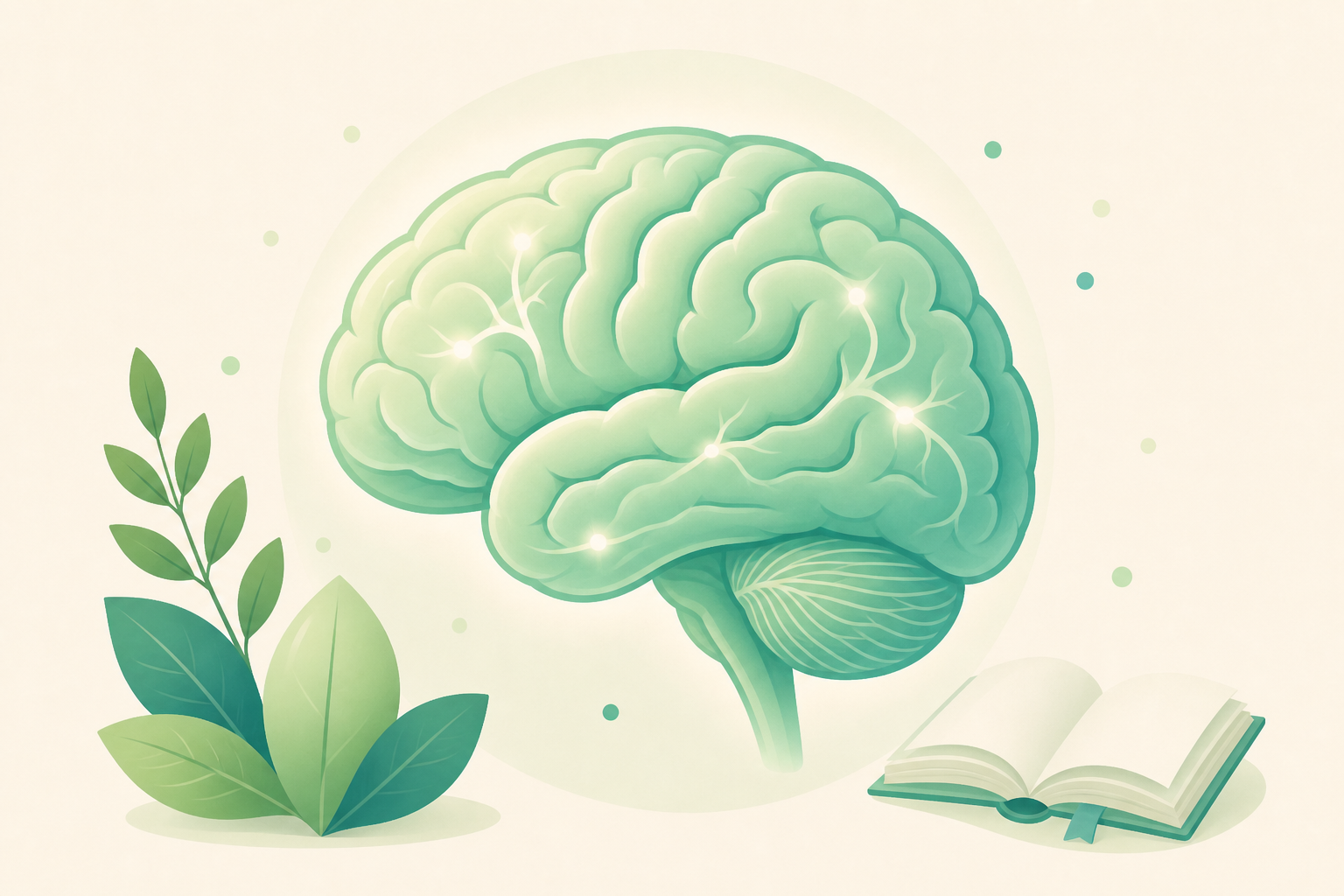
Brain & Neurological Health: A Complete Guide to Healthy Aging and Cognitive Wellness
Explore educational resources about brain health and neurological wellness.
Understand how the brain works, common neurological conditions such as stroke, Alzheimer's and Parkinson's disease, warning signs, and everyday habits that may support brain wellness.
📝 Quick Summary
- Learn about brain health, healthy aging, and neurological wellness.
- Explore trusted information on Alzheimer's and Parkinson's disease.
- Discover healthy habits that may support long-term brain wellness.
- Read educational resources designed to promote healthy aging.
- Learn how lifestyle choices may support cognitive well-being.
- Explore practical tips for maintaining brain health as you age.
- Understand common neurological conditions with educational resources.
- Visit our guide to learn more about brain wellness and healthy living.
Your brain is the command center of your body. Every thought, memory, movement, emotion, and decision begins here. From recognizing a loved one's face to maintaining your balance while walking, your brain works continuously to keep your body functioning and connected to the world around you.
As we age, it's natural to experience certain changes in memory and thinking. Occasionally forgetting where you placed your keys or taking a little longer to recall a name is often part of normal aging. However, persistent memory problems, changes in movement, difficulty speaking, or sudden neurological symptoms should never be ignored and should be evaluated by a qualified healthcare professional.
Brain health is influenced by many factors, including genetics, age, medical conditions, lifestyle habits, sleep, nutrition, and physical activity. While not every neurological disorder can be prevented, research suggests that adopting healthy lifestyle habits may help support cognitive function and overall well-being throughout life.
This guide provides educational information about brain health, common neurological conditions such as stroke, Alzheimer's disease, dementia, and Parkinson's disease, along with practical strategies that may support healthy aging. This information is intended for educational purposes only and should not replace professional medical advice, diagnosis, or treatment.
Understanding Brain Health
Brain health refers to the brain's ability to perform essential functions such as memory, learning, communication, movement, emotional regulation, and decision-making. A healthy brain helps you stay independent, maintain relationships, solve problems, and enjoy everyday activities.
The brain communicates with every organ and muscle through an intricate network of nerve cells known as neurons. These cells send electrical and chemical signals throughout the nervous system, allowing the body to respond quickly and efficiently.
Although the brain accounts for only a small portion of total body weight, it requires a constant supply of oxygen and nutrients delivered through healthy blood circulation. Conditions that reduce blood flow or damage nerve cells can affect cognitive function and neurological health.
Maintaining brain health isn't about preventing aging — it's about supporting your brain so it continues functioning as effectively as possible throughout every stage of life.
Common Neurological Conditions
Neurological disorders affect the brain, spinal cord, or peripheral nerves. Some develop gradually over many years, while others occur suddenly and require immediate medical attention.
Alzheimer's Disease
Alzheimer's disease is the most common cause of dementia. It gradually affects memory, thinking, reasoning, and the ability to perform everyday tasks. Symptoms usually develop slowly and may become more noticeable over time.
Early signs can include:
- Frequently forgetting recently learned information
- Repeating questions
- Difficulty planning familiar tasks
- Confusion about dates or places
- Changes in judgment or behavior
Although there is currently no cure, early medical evaluation may help identify appropriate treatment options, support planning, and improve quality of life for individuals and caregivers.
Dementia
Dementia is not a single disease but a general term describing a decline in memory and cognitive abilities severe enough to interfere with daily life.
Several conditions can cause dementia, including Alzheimer's disease, vascular dementia, Lewy body dementia, and frontotemporal dementia.
Not every memory concern indicates dementia. Sleep disorders, medication side effects, vitamin deficiencies, depression, and other medical conditions may also contribute to memory problems. A healthcare professional can help determine the underlying cause.
Parkinson's Disease
Parkinson's disease is a progressive neurological disorder that primarily affects movement. It develops when certain brain cells gradually produce less dopamine, a chemical messenger involved in controlling muscle movement.
Common symptoms may include:
- Tremors
- Muscle stiffness
- Slower movements
- Balance difficulties
- Changes in walking
- Softer speech
Many individuals continue to lead active lives with appropriate medical care, rehabilitation, and lifestyle adjustments. Treatment plans vary depending on individual needs and should always be guided by healthcare professionals.
Stroke
A stroke occurs when blood flow to part of the brain is interrupted or when a blood vessel within the brain ruptures. Because brain cells rely on oxygen-rich blood, prompt treatment is critical.
Warning signs often appear suddenly and may include:
- Weakness or numbness on one side of the body
- Difficulty speaking or understanding speech
- Sudden vision changes
- Loss of balance
- Severe headache with no known cause
Remember the FAST warning signs: F – Face drooping, A – Arm weakness, S – Speech difficulty, T – Time to call emergency medical services immediately.
Early treatment may improve outcomes and reduce long-term complications.
Supporting Long-Term Brain Health
Although aging cannot be stopped, healthy daily habits may support brain function and overall wellness.
Stay Physically Active
Regular physical activity benefits both the heart and the brain. Exercise supports healthy blood circulation, improves mood, promotes better sleep, and contributes to overall well-being.
Walking, swimming, cycling, stretching, and strength training are examples of activities that many older adults can enjoy. Before beginning a new exercise program, consult your healthcare provider if you have underlying medical conditions.
Eat a Balanced Diet
Nutrition plays an important role in overall health, including brain function.
A balanced eating pattern that includes fruits, vegetables, whole grains, lean proteins, legumes, fish, nuts, and healthy fats provides nutrients that support the body's normal functions.
Limiting highly processed foods, excessive added sugars, and foods high in saturated fats may contribute to better cardiovascular health, which is closely linked to brain health.
Prioritize Quality Sleep
Sleep allows the brain to perform important functions related to memory, learning, and overall recovery.
Adults should aim for consistent, high-quality sleep whenever possible. If persistent sleep problems interfere with daily life, discuss them with a healthcare professional.
Keep Your Mind Active
Mental stimulation encourages lifelong learning and cognitive engagement.
Activities such as reading, crossword puzzles, learning a new language, playing musical instruments, gardening, or taking educational courses may help keep the brain engaged while providing enjoyment.
Stay Socially Connected
Meaningful relationships contribute to emotional well-being and healthy aging.
Spending time with family, friends, neighbors, or community organizations can provide social interaction that supports mental and emotional health.
Even simple conversations or participating in local activities can help reduce feelings of isolation.
Manage Chronic Health Conditions
Several medical conditions can influence neurological health.
Working with your healthcare provider to manage:
- High blood pressure
- Diabetes
- High cholesterol
- Heart disease
- Sleep disorders
may help support overall health and reduce certain health risks.
Taking medications exactly as prescribed and attending regular medical appointments are important parts of long-term health management.
Warning Signs That Should Not Be Ignored
Certain neurological symptoms require prompt medical evaluation.
Contact a healthcare professional if you experience:
- Persistent memory changes
- Difficulty speaking
- Frequent falls
- Tremors
- Balance problems
- Progressive confusion
- Personality changes
- Persistent headaches
- Vision changes
- Unexplained weakness
Seek emergency medical care immediately if symptoms develop suddenly, especially facial drooping, one-sided weakness, difficulty speaking, loss of consciousness, or seizures.
Prompt medical attention can be critical during neurological emergencies.
Healthy Aging and Brain Wellness
Healthy aging involves caring for both the body and the mind.
Simple habits practiced consistently over time may contribute to better overall health:
- Stay physically active.
- Eat nutritious meals.
- Get enough sleep.
- Continue learning.
- Stay socially engaged.
- Avoid tobacco products.
- Limit excessive alcohol consumption.
- Attend routine medical check-ups.
- Protect your head from injury by using appropriate safety equipment when necessary.
These habits support cardiovascular health, which plays an important role in maintaining healthy brain function.
Frequently Asked Questions
Q: Does occasional forgetfulness always mean Alzheimer's disease? A: No. Mild forgetfulness may occur as part of normal aging or result from stress, poor sleep, medications, or other medical conditions. Persistent memory problems should be evaluated by a healthcare professional.
Q: Can lifestyle choices support brain health? A: Research suggests that regular physical activity, balanced nutrition, quality sleep, mental stimulation, and management of cardiovascular risk factors may help support long-term cognitive health.
Q: Is every tremor caused by Parkinson's disease? A: No. Tremors can occur for many reasons, including essential tremor, medication side effects, thyroid disorders, and other neurological conditions. A healthcare professional can determine the underlying cause.
Q: Can stroke risk be reduced? A: While not every stroke can be prevented, managing blood pressure, diabetes, cholesterol, maintaining a healthy lifestyle, avoiding tobacco, and following medical advice may help reduce risk for many individuals.
Final Thoughts
Your brain supports every aspect of daily life — from memory and communication to movement and decision-making. Although certain neurological conditions become more common with age, many healthy lifestyle habits can contribute to overall brain wellness and healthy aging.
Understanding common neurological disorders, recognizing warning signs, and seeking timely medical evaluation when symptoms arise are important steps toward protecting your health. Staying physically active, eating a balanced diet, prioritizing quality sleep, remaining socially connected, and managing chronic medical conditions all contribute to lifelong well-being.
Medical Disclaimer: This article is provided for educational and informational purposes only. It is not intended to diagnose, treat, cure, or prevent any disease and should not be considered a substitute for professional medical advice. If you have concerns about your brain health or experience neurological symptoms, consult a qualified healthcare professional or seek emergency medical care when appropriate.